
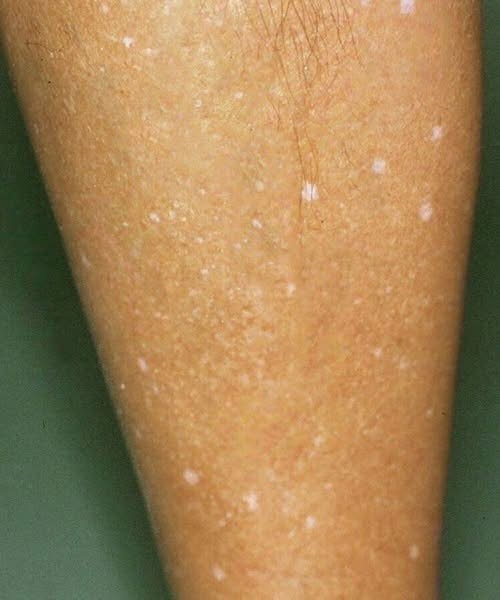
Noticing pale patches on your skin can be unsettling. These spots may appear gradually or suddenly, remain unchanged for years, or shift in size and visibility over time. For many people, the first reaction is concern—are they permanent, or do they indicate a deeper issue? In most cases, white spots are not dangerous, but they can stem from a variety of causes. Understanding the possibilities—from nutritional factors to common skin conditions—can help you decide when simple lifestyle adjustments are appropriate and when professional evaluation is the better path.
One area often discussed is nutrition, particularly vitamin B12. This vitamin supports red blood cell production, nerve health, and DNA function. When levels drop too low, symptoms such as fatigue, weakness, or tingling sensations may occur. In some individuals, low B12 has been associated with subtle changes in skin pigmentation. Similarly, vitamin D plays a central role in immune balance and skin cell regulation. Insufficient vitamin D—often linked to limited sun exposure or dietary gaps—may contribute to overall skin changes, though research on its direct connection to white patches remains ongoing. For individuals following vegetarian or vegan diets, fortified foods or physician-guided supplements may help maintain adequate B12 levels.
Minerals such as zinc and copper also support melanin production, the pigment responsible for skin color. Significant deficiencies can contribute to uneven tone, though they are not among the most common causes of white spots. It is equally important to recognize that many pale patches are unrelated to diet. Conditions such as tinea versicolor, a mild fungal imbalance, can create lighter areas that become more noticeable after sun exposure. Idiopathic guttate hypomelanosis (IGH) often appears as small, round white spots on sun-exposed skin with age. Inflammatory conditions like eczema or psoriasis may temporarily leave lighter areas as the skin heals. Vitiligo, an autoimmune condition affecting pigment-producing cells, requires medical assessment and individualized treatment.
Because white spots have multiple potential explanations, self-diagnosis is rarely helpful. If patches spread, change quickly, or cause concern, consulting a dermatologist is the most reliable next step. A healthcare professional may recommend a physical examination, lab testing, or specific treatments depending on the underlying cause. In the meantime, supporting skin health through balanced nutrition, moderate sun exposure with protection, adequate hydration, quality sleep, and gentle skincare practices can promote overall resilience. White spots are not a diagnosis in themselves—they are a sign worth observing carefully. With informed guidance, most individuals can identify the cause and take appropriate steps toward healthier, more even-looking skin.