
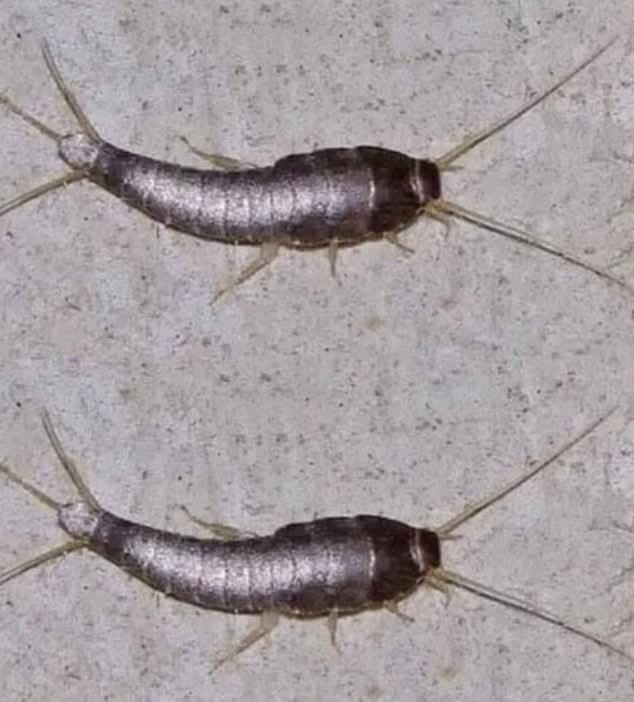
Silverfish are small, wingless insects recognized by their silvery color and quick, wiggling movement. Although they have existed for millions of years and are not harmful to people, their appearance inside a home often signals excess moisture and accessible food sources. These insects prefer dark, damp spaces such as bathrooms, basements, kitchens, and laundry rooms, where humidity allows them to thrive quietly.
One reason silverfish can become a nuisance is their diet. They feed on materials rich in starch or sugar, including paper, cardboard, glue, fabric, and food crumbs. Over time, this behavior may lead to minor damage to items such as books, wallpaper, and clothing. Early signs of activity can include small holes in paper or fabrics, faint yellow stains, shed skins, or tiny dark droppings. When one silverfish is spotted, it often means others may be hiding nearby in moist, undisturbed areas.
The first step in addressing silverfish is reducing humidity, since these insects rely on damp environments to survive. Using dehumidifiers, improving ventilation, and keeping bathrooms and basements well aired can make the home less attractive to them. At the same time, removing potential food sources is equally important. Storing pantry goods in airtight containers, regularly cleaning surfaces, and minimizing piles of paper or cardboard can help limit what attracts them.
To further prevent silverfish activity, consider sealing cracks and gaps around baseboards, pipes, and wall edges where insects may enter or hide. Some homeowners also use natural deterrents such as diatomaceous earth or cedarwood and lavender oils in areas where moisture tends to collect. Sticky traps can help monitor activity while these preventative steps take effect. By keeping spaces dry, clean, and organized, it becomes much easier to discourage silverfish and maintain a comfortable living environment.