
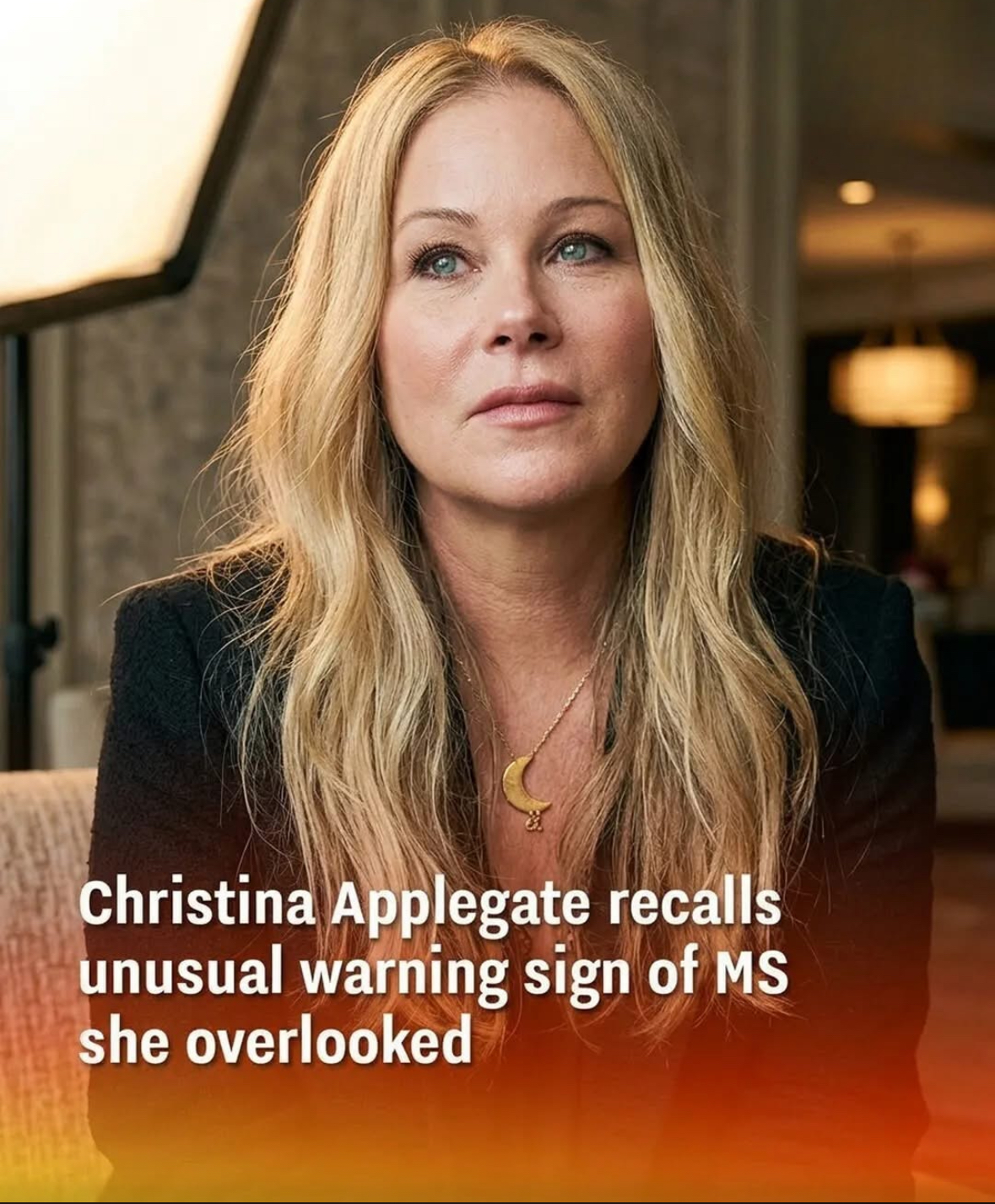
Actress Christina Applegate has shared personal reflections about the symptoms she experienced before learning she had multiple sclerosis, offering readers an honest look at her health journey in her memoir You With the Sad Eyes. The Emmy-winning performer revealed that she was diagnosed in June 2021 after noticing subtle physical changes that gradually became harder to ignore. By speaking openly about her experience, she hopes to encourage greater awareness of neurological health and remind people to pay attention to unusual symptoms that may deserve medical attention.
Multiple sclerosis, commonly known as MS, is a chronic autoimmune condition that affects the central nervous system. It develops when the immune system mistakenly damages myelin, the protective layer surrounding nerve fibers. When this protective covering is affected, communication between the brain and the rest of the body can become disrupted. In her memoir, Applegate recalls that some of the first symptoms she noticed seemed minor at the time. She mentioned experiencing small muscle movements in her toes and later began noticing numbness and weakness that slowly spread to other areas of her body.
The diagnosis came after medical tests revealed several lesions on her brain, a finding that confirmed the presence of MS. Applegate has described the moment she received the news during a virtual consultation with her doctor as deeply emotional. At the time, she was preparing to finish filming the final season of her series Dead to Me. Although she had previously faced major health challenges, including breast cancer earlier in life, she explained that MS presented a different kind of adjustment because it requires long-term management rather than a single course of treatment.
Today, the actress continues to discuss the realities of living with MS in hopes of increasing public understanding. People with the condition may experience symptoms such as fatigue, muscle weakness, or changes in sensation, which can make daily activities more demanding. While there is currently no cure, medical treatments and supportive care can help manage symptoms and slow progression. By sharing her story, Applegate encourages others to listen to their bodies, seek professional guidance when something feels unusual, and support ongoing conversations about neurological health and awareness.