
Immigration enforcement has returned to the forefront of U.S. policy discussions as President Donald Trump places renewed emphasis on border security and travel oversight. In recent weeks, the administration announced an expanded framework of travel restrictions that now applies to dozens of countries. With 39 nations affected through full or partial entry limits, the policy marks one of the most extensive travel-control initiatives in modern American history. Officials describe the measures as part of a broader national security strategy designed to ensure that international travelers meet strict documentation and screening standards, while supporters argue the approach encourages stronger cooperation on border management from foreign governments.
Under the updated policy structure, a number of countries face comprehensive entry suspensions that limit most visa categories for their citizens. These include nations such as Afghanistan, Iran, Libya, Somalia, Syria, and Yemen, among others. Separate measures apply to additional countries where certain types of visas are restricted rather than fully suspended. Government representatives say these decisions are tied to factors such as document verification systems, data-sharing agreements, and compliance with U.S. travel security benchmarks. At the same time, several international organizations and civil society groups have called for clearer explanations of how these determinations are made.
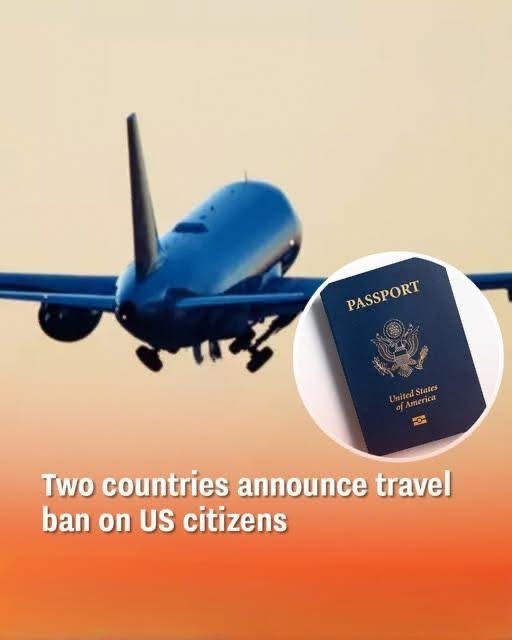
The policy shift has also sparked diplomatic responses abroad. Some governments have announced reciprocal travel limitations affecting U.S. citizens, citing principles of mutual treatment and national sovereignty. These steps may influence international cooperation, particularly in regions where the United States maintains development partnerships, humanitarian programs, and security collaborations. Travel professionals note that such measures could affect a wide range of individuals—from business travelers and journalists to aid workers and academic researchers operating across borders.
Alongside the travel restrictions, the administration has introduced expanded biometric screening procedures at certain U.S. airports. Technologies such as facial recognition systems and additional identity verification tools are being integrated into entry processes for non-citizens. Authorities say the upgrades are designed to strengthen identity confirmation and border management, while privacy advocates continue to monitor how collected data is stored and used. As governments and travelers adjust to these evolving policies, the global conversation around mobility, security, and international cooperation continues to develop.