
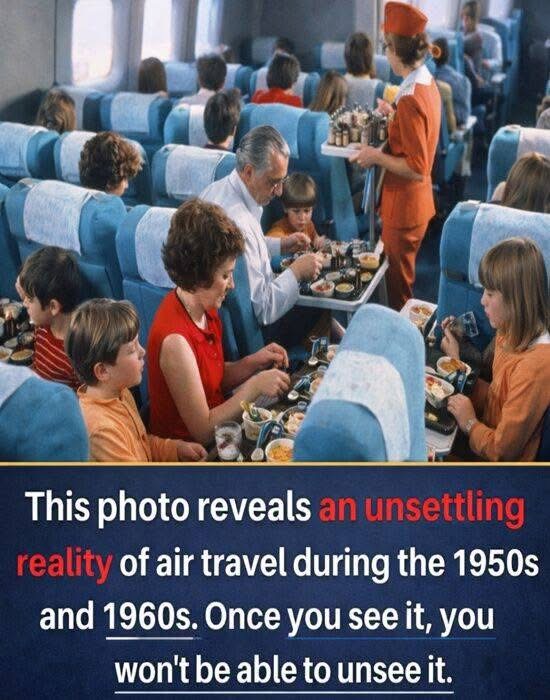
In the years following World War II, commercial aviation entered a period often described as the “Golden Age” of flying. Spanning roughly from the late 1940s through the 1970s, this era transformed air travel into something far more theatrical than practical. Boarding a plane was not simply about reaching a destination — it was an experience shaped by ceremony, exclusivity, and presentation. Airlines cultivated an atmosphere that blended elegance with innovation, turning flights into curated social events rather than routine transportation.
Part of that prestige stemmed from cost and rarity. Airfare was expensive relative to average income, placing commercial flights out of reach for many households. As a result, passenger lists often included business leaders, entertainers, and well-traveled professionals. With fewer seats to fill compared to today’s high-capacity operations, airlines competed less on volume and more on refinement. Spacious seating, generous legroom, and thoughtfully designed interiors were selling points. Some aircraft even featured lounge areas that encouraged conversation at cruising altitude.
Service was equally intentional. Meals were plated rather than packaged, with multi-course offerings served on real dishware. Cabin crews were trained not only in safety procedures but also in hospitality and presentation, reinforcing the sense that travelers were valued guests. Dress codes, both for passengers and crew, reflected the cultural norms of the time. Flying carried an implicit expectation of formality, contributing to its reputation as a sophisticated endeavor.
Of course, modern aviation has evolved in ways that prioritize accessibility, efficiency, and advanced safety standards. Yet nostalgia for that earlier era endures because it emphasized space, ritual, and attentive service. While today’s travel landscape is more inclusive and technologically advanced, premium cabins and brand storytelling still echo the aesthetics of that glamorous chapter. The legacy of the “Golden Age” remains a reminder that transportation can also be an experience shaped by atmosphere and design.