
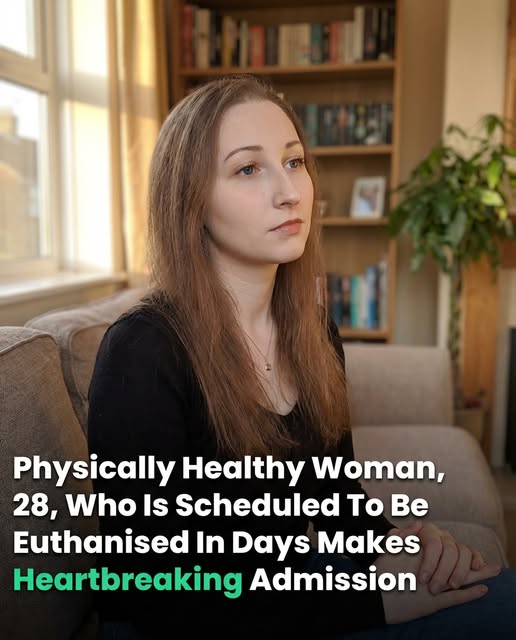
When a 28-year-old woman in the Netherlands shared her intention to seek assisted dying in connection with long-term psychiatric illness, her story quickly sparked international discussion. Because her situation does not involve a terminal physical condition, it has prompted renewed reflection on how societies interpret autonomy, suffering, and medical ethics. Personal cases like this often extend beyond individual experience, influencing broader public dialogue about the role of law and healthcare in deeply sensitive decisions.
In the Netherlands, assisted dying has been legally regulated since 2002 under strict criteria. The law permits the practice only when a patient is considered to be experiencing unbearable suffering with no reasonable prospect of improvement, and only after multiple safeguards are satisfied. In situations involving psychiatric conditions, the review process includes comprehensive assessments by independent medical professionals to evaluate eligibility and decision-making capacity. These procedures are designed to ensure that any request meets clearly defined legal and medical standards.
Supporters of the current framework argue that psychological suffering can be as intense and enduring as physical illness. They emphasize that the law includes extensive oversight, requiring repeated evaluations and documented evidence that treatment options have been explored. From this perspective, the system seeks to balance compassion with caution, offering individuals the right to make informed healthcare decisions while maintaining professional accountability through review committees and expert consultation.
At the same time, critics highlight the complexity of assessing mental health conditions, particularly when symptoms may influence perception and judgment. Some experts question how decision-making capacity is evaluated in cases involving severe depression or other psychiatric disorders. Others stress the importance of strengthening mental health resources and long-term support systems alongside legal safeguards. As public conversation continues, the issue remains a nuanced intersection of personal rights, ethical responsibility, and evolving understanding of psychological care within modern healthcare systems.