Not every message needs to entertain to be worth sharing. While lighthearted content often spreads the fastest online, some subjects carry importance simply because of their real-world impact. One such topic is the role bees play in supporting the environment. Their work happens quietly and often goes unnoticed, yet it directly affects food systems, natural landscapes, and everyday life.
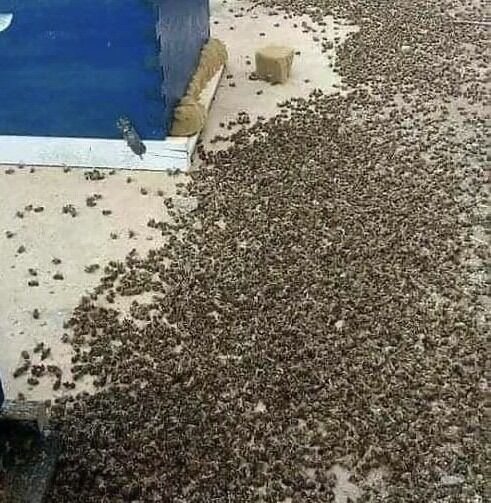
Research from environmental organizations and scientists consistently highlights growing concerns around bee populations. Bees are among the most effective pollinators, enabling plants to reproduce and sustain ecosystems that humans and wildlife depend on. When their numbers decline, it signals stress within the natural balance, prompting researchers to study how environmental changes influence long-term sustainability.
Several well-documented factors affect bee well-being, including shrinking habitats, reduced plant diversity, and limited nesting areas. Changes in land use and modern farming practices have also contributed to these challenges. Environmental advocates often point out that small, intentional actions—such as protecting green spaces or planting native flowers—can help create healthier conditions for pollinators. Because bees support a wide range of crops and wild plants, their protection benefits entire ecosystems.
Individuals and communities can play a meaningful role in supporting pollinators. Simple choices like supporting local honey producers, planting pollinator-friendly gardens, and learning about sustainable practices all contribute to positive change. As awareness grows, community-led projects focused on pollinator health continue to expand. These efforts show that when small actions come together, they can help ensure bees remain a thriving part of the environment for the future.