
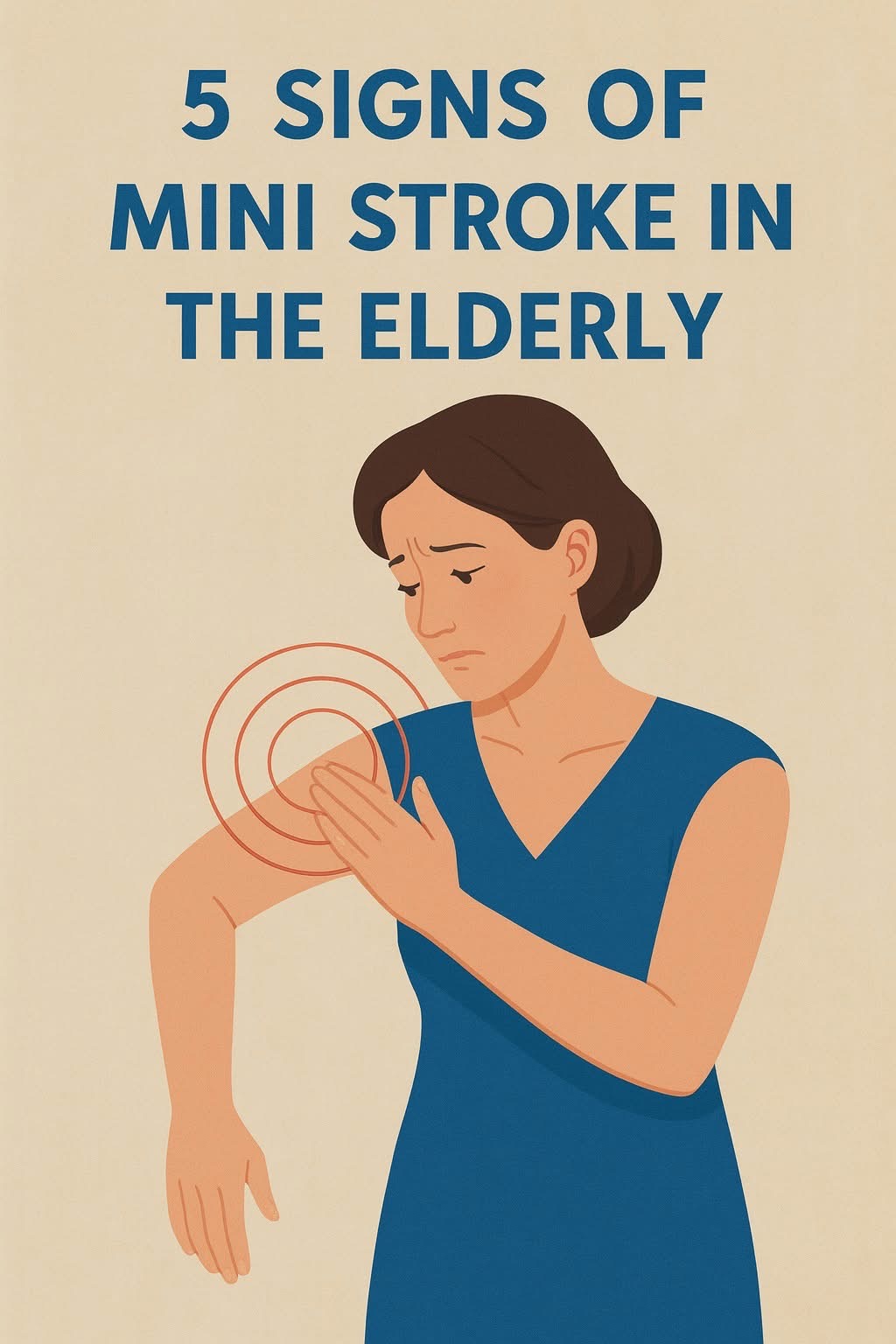
Looking after an older loved one requires attentiveness to subtle shifts in mood, movement, or speech. Sudden confusion, unexpected weakness, or difficulty forming words should never be brushed aside as “just a bad day.” In some cases, these changes may point to a transient ischemic attack (TIA), commonly called a mini-stroke. A TIA happens when blood flow to part of the brain is temporarily reduced. Although symptoms often resolve within minutes or hours, the event serves as a serious medical warning that deserves prompt evaluation.
Understanding risk factors is a practical first step in prevention. Chronic conditions such as high blood pressure, diabetes, elevated cholesterol, and artery narrowing can significantly increase vulnerability. Heart rhythm irregularities and other cardiovascular concerns may also contribute. Lifestyle elements matter as well: smoking, limited physical activity, and long-term unhealthy eating patterns can compound existing risks. By identifying these factors early, families can work alongside healthcare providers to create a prevention-focused plan tailored to the individual.
Recognizing the signs quickly can make a measurable difference. A mini-stroke may present as sudden numbness or weakness—often affecting one side of the body—along with slurred speech, trouble understanding conversation, or abrupt confusion. Some people experience blurred vision, loss of balance, dizziness, or an intense, unexplained headache. Even if symptoms fade quickly, they should be treated as urgent. Temporary improvement does not eliminate the underlying risk.
Taking immediate action is essential. If warning signs appear, seek medical attention without delay. Early assessment allows clinicians to evaluate stroke risk and recommend appropriate interventions, which may include medication adjustments, nutritional improvements, increased physical activity, and support for quitting smoking if needed. Acting decisively not only reduces the chance of a more severe event but also supports long-term independence, safety, and overall quality of life for the senior in your care.