
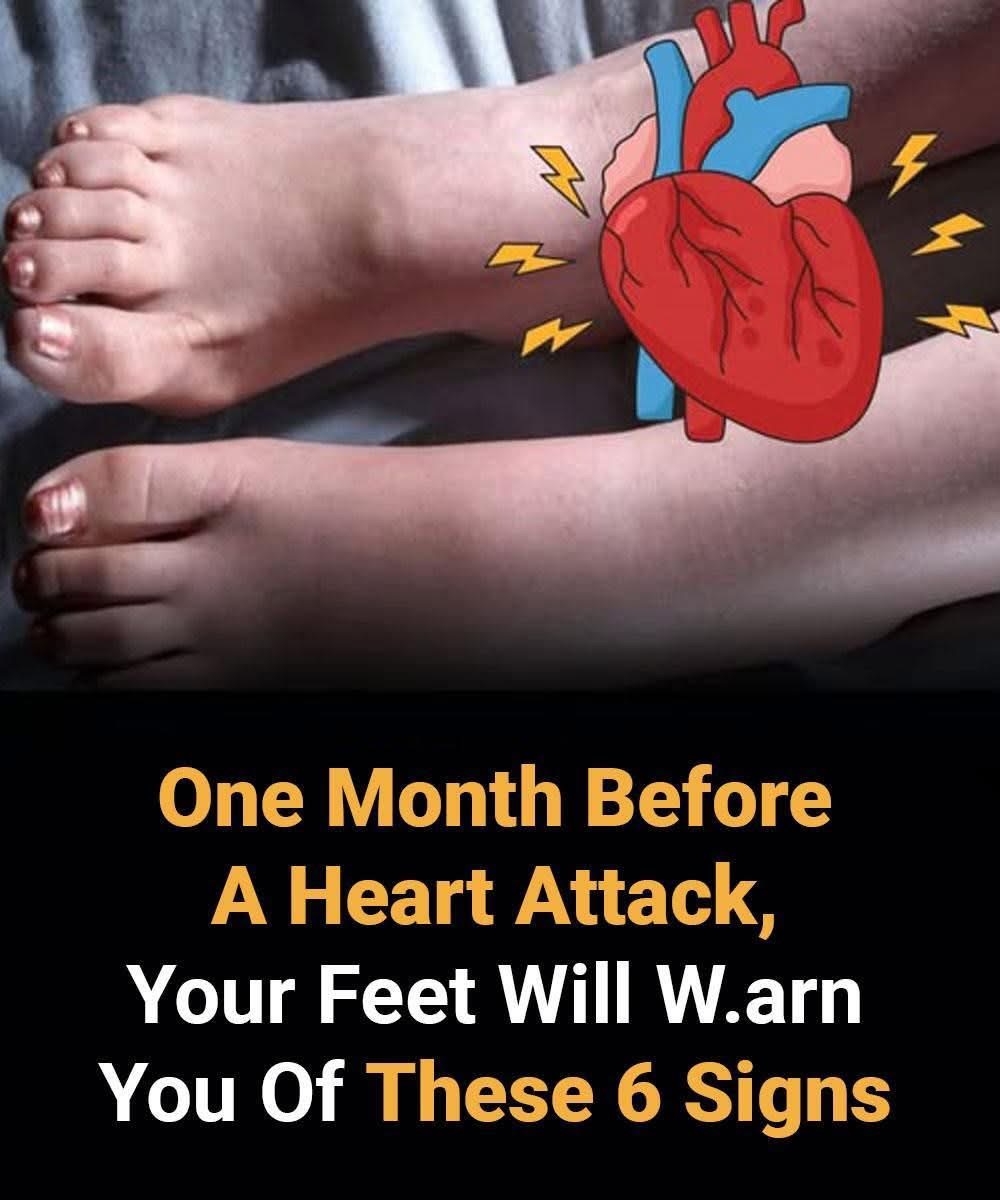
We often think of heart health in terms of chest discomfort or shortness of breath, but changes can sometimes appear elsewhere first. Because the heart circulates blood throughout the entire body—including the hands and feet—alterations in the lower extremities may reflect how well blood is flowing. While foot symptoms alone do not confirm a heart condition, noticing persistent changes can be a helpful prompt to seek medical evaluation early.
One possible sign is consistently cold feet or toes, even in comfortable temperatures. This may indicate reduced circulation. Swelling in the feet or ankles, especially if it becomes frequent or worsens by the end of the day, can sometimes be associated with fluid retention. In addition, unusual color changes—such as pale, bluish, or purplish tones—may suggest limited blood flow or reduced oxygen delivery to tissues. These symptoms do not automatically mean heart disease, but they are worth discussing with a healthcare professional.
Other circulation-related concerns may include numbness, tingling, or discomfort in the legs when walking that improves with rest. Slow-healing sores or wounds on the feet can also signal reduced blood supply to the area. These issues are sometimes linked to peripheral artery disease, a condition involving narrowed blood vessels. Early detection and proper medical guidance are important for managing circulation concerns and protecting overall cardiovascular health.
If you observe ongoing swelling, color changes, persistent coldness, or unexplained discomfort, scheduling a check-up can provide clarity. Routine monitoring of blood pressure, cholesterol levels, and circulation supports long-term heart wellness. Paying attention to subtle body signals—without self-diagnosing—can encourage timely conversations with your doctor. In many cases, early awareness and preventive care make a meaningful difference in maintaining cardiovascular health.