
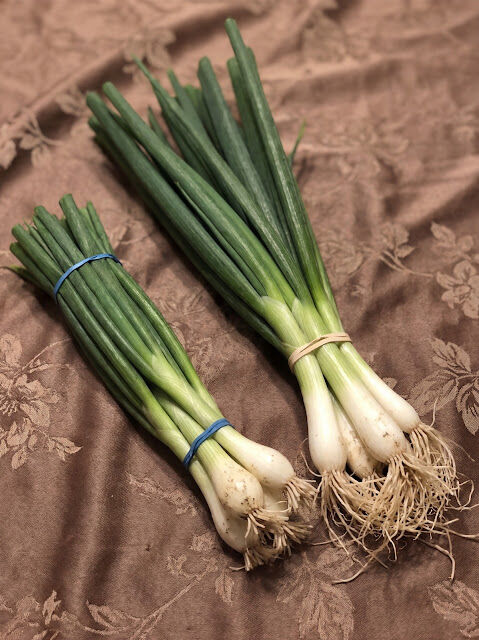
At first glance, these slender green stalks can look nearly identical in the produce section. However, green onions, scallions, spring onions, and chives each bring distinct flavor, texture, and culinary strengths to a dish. Understanding their differences helps home cooks choose the right ingredient with confidence, preventing waste and elevating everyday meals with more intentional seasoning.
Green onions and scallions are, in fact, the same vegetable. Harvested before a full bulb develops, they feature a small white base and long, hollow green tops. Their taste is fresh and mild, with a subtle sweetness. The white portion offers a slightly sharper bite, while the green tops are softer and more delicate. Because of this balance, they work beautifully both raw and lightly cooked—ideal for salads, salsas, scrambled eggs, soups, noodles, and quick stir-fries.
Spring onions are a more mature version of the same plant family, distinguished by a small rounded bulb at the base. That bulb carries a fuller, sweeter onion flavor, closer to a young red or yellow onion. When grilled or roasted whole, spring onions develop a rich, caramelized taste, and the bulb can be sautéed just like traditional onions. Meanwhile, the green stems remain versatile enough for slicing and garnishing, making spring onions a flexible addition to many savory dishes.
Chives, on the other hand, belong in the herb category rather than the vegetable aisle. They have thin, solid, grass-like stems and no bulb at all. Their flavor is light and refined—providing a gentle onion note without dominating the plate. Because heat can quickly diminish their subtle character, chives are best added at the end of cooking or sprinkled fresh over soups, dips, baked potatoes, and egg dishes. By recognizing these simple distinctions, you can select the perfect green accent for any recipe and bring more precision to your cooking.