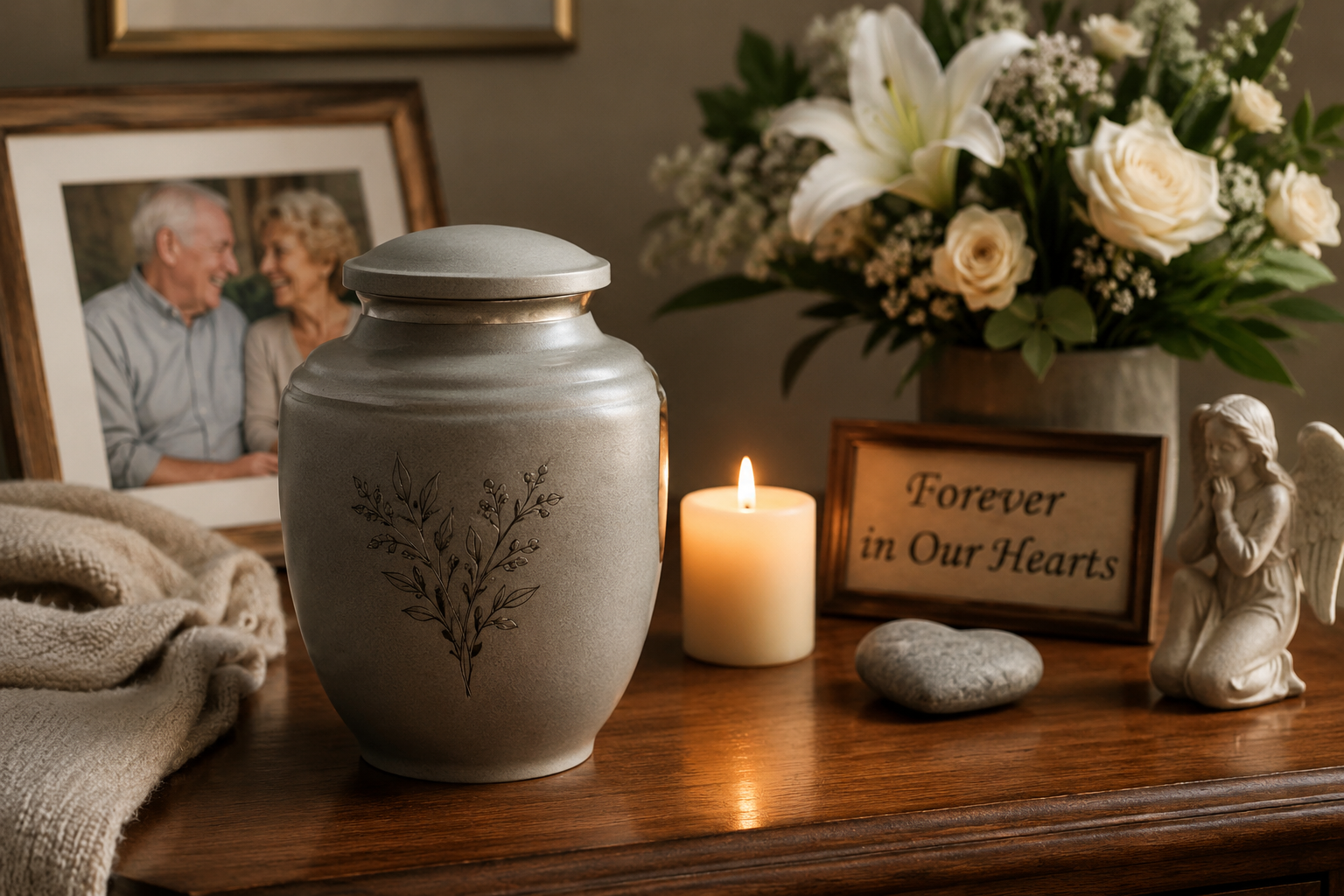
The loss of someone close can affect every part of daily life, and families often seek comfort in different ways while coping with grief. As cremation has become more common in many parts of the world, more people are considering whether keeping a loved one’s ashes at home feels right for their personal situation. For some families, placing an urn beside photographs, candles, or meaningful keepsakes creates a peaceful sense of connection and remembrance during emotionally difficult times. Others may prefer different memorial traditions that better reflect their beliefs, values, or family customs.
Personal, cultural, and spiritual perspectives often influence how ashes are handled after cremation. Some traditions view returning ashes to nature or placing them in a memorial site as a symbolic act of peace, healing, and respect. Others feel comforted by keeping ashes nearby as a way to maintain an emotional connection with the person they lost. Many Christian denominations today accept cremation, although some families choose cemeteries, memorial gardens, or church columbariums as final resting places. Across many belief systems, the primary focus remains honoring the memory of a loved one with dignity, care, and compassion.
Grief counselors frequently emphasize that there is no single “correct” way to mourn or remember someone who has passed away. For some individuals, having ashes at home may provide emotional reassurance and help support healing over time. For others, seeing the urn daily may intensify feelings of sadness or make it harder to process grief gradually. Because emotional needs differ from person to person, families often benefit from openly discussing what feels most comforting and meaningful for everyone involved before making long-term decisions.
In addition to emotional considerations, practical planning can also play an important role. Some families choose to divide ashes into smaller keepsakes so multiple relatives can share in remembrance, while others select one peaceful location for reflection and memorial visits. Alternatives such as memorial gardens, photo collections, charitable donations, or remembrance gatherings can also provide meaningful ways to celebrate a loved one’s life. Ultimately, the most important part of any memorial decision is the intention behind it — preserving love, respect, and lasting memories in a way that brings comfort and peace to those left behind.