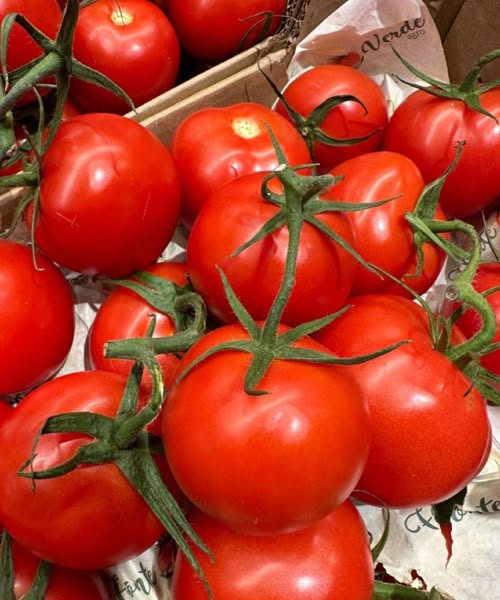
Tomatoes are a familiar ingredient in kitchens worldwide, yet their nutritional value often goes overlooked. For older adults in particular, this vibrant fruit can contribute meaningfully to overall wellness when included as part of a balanced diet. Rich in antioxidants, vitamins, and minerals, tomatoes support cardiovascular function, immune response, and cellular health. Understanding how they work—and how to incorporate them wisely—can help maximize their benefits.
One of the most studied compounds in tomatoes is lycopene, a naturally occurring antioxidant responsible for their red color. Research suggests lycopene may help reduce oxidative stress and support heart health by contributing to healthier cholesterol levels. Tomatoes also provide potassium, an important mineral that helps regulate blood pressure by balancing sodium in the body. Maintaining steady blood pressure becomes increasingly important with age, making potassium-rich foods a valuable dietary addition.
Tomatoes may also play a supportive role in protecting vision and cognitive function. They contain beta-carotene, lutein, vitamin A, and vitamin C—nutrients associated with eye health and immune defense. Antioxidants in these nutrients help neutralize free radicals, which are linked to cellular aging. While no single food can prevent age-related conditions, diets that include a variety of fruits and vegetables, tomatoes among them, are commonly associated with better long-term health outcomes.
To get the most from tomatoes, preparation matters. Lycopene becomes more bioavailable when tomatoes are cooked, meaning sauces, soups, and stewed dishes may offer enhanced absorption—especially when paired with healthy fats such as olive oil. However, individuals with acid sensitivity, reflux, or certain medical conditions should consult a healthcare provider before increasing intake. When enjoyed in moderation alongside whole grains, lean proteins, and other produce, tomatoes can be a flavorful and accessible component of a well-rounded approach to healthy aging.