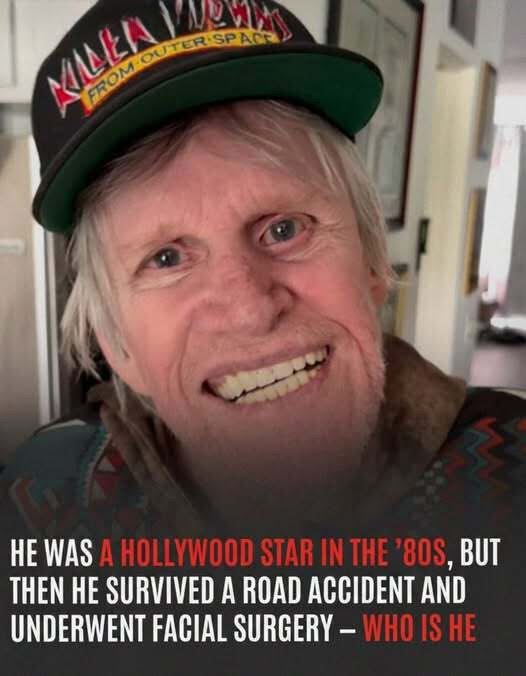
Hollywood has long been filled with dramatic stories of success, personal struggle, and unexpected reinvention, but few careers have followed a path as unpredictable as that of Gary Busey. Known for his energetic screen presence and memorable performances throughout the 1970s and 1980s, Busey became one of the entertainment industry’s most recognizable character actors. His breakthrough arrived with The Buddy Holly Story, where his performance earned widespread praise and an Academy Award nomination. Before acting fully took over his career, he also worked as a musician and drummer, experiences that helped shape the intensity and rhythm audiences later recognized in his film work.
As his fame increased, Busey’s personal life became increasingly complicated. Years of demanding work schedules, public attention, and struggles with substance abuse created major challenges behind the scenes. One of the most life-changing moments of his life occurred in 1988 when he suffered a severe motorcycle accident while riding without a helmet. The crash caused serious head injuries and required emergency surgery, beginning a long and difficult recovery process. According to interviews over the years, the accident dramatically affected both his physical health and his outlook on life, forcing him to relearn many basic skills during rehabilitation.
In the years that followed, Busey continued facing additional personal and medical obstacles, including later health concerns that required surgery and treatment. Changes to his appearance and the lasting effects of earlier injuries gradually shifted the direction of his Hollywood career. While he remained active in entertainment through television appearances, guest roles, and independent projects, his public image evolved from traditional leading actor to a more unconventional and eccentric media personality. Despite those challenges, Busey continued working steadily and remained a recognizable figure in pop culture for decades.
More recently, much of the focus surrounding Busey’s life has centered on resilience, family, and personal stability. His long-term relationship with Steffanie Sampson has been described by entertainment sources as an important source of support and balance. Together, they have built a quieter family-centered lifestyle away from much of the intensity that once surrounded his career. Busey’s story remains one of Hollywood’s most unusual examples of survival and reinvention, reflecting how personal setbacks, recovery, and determination can shape a life far beyond fame alone.