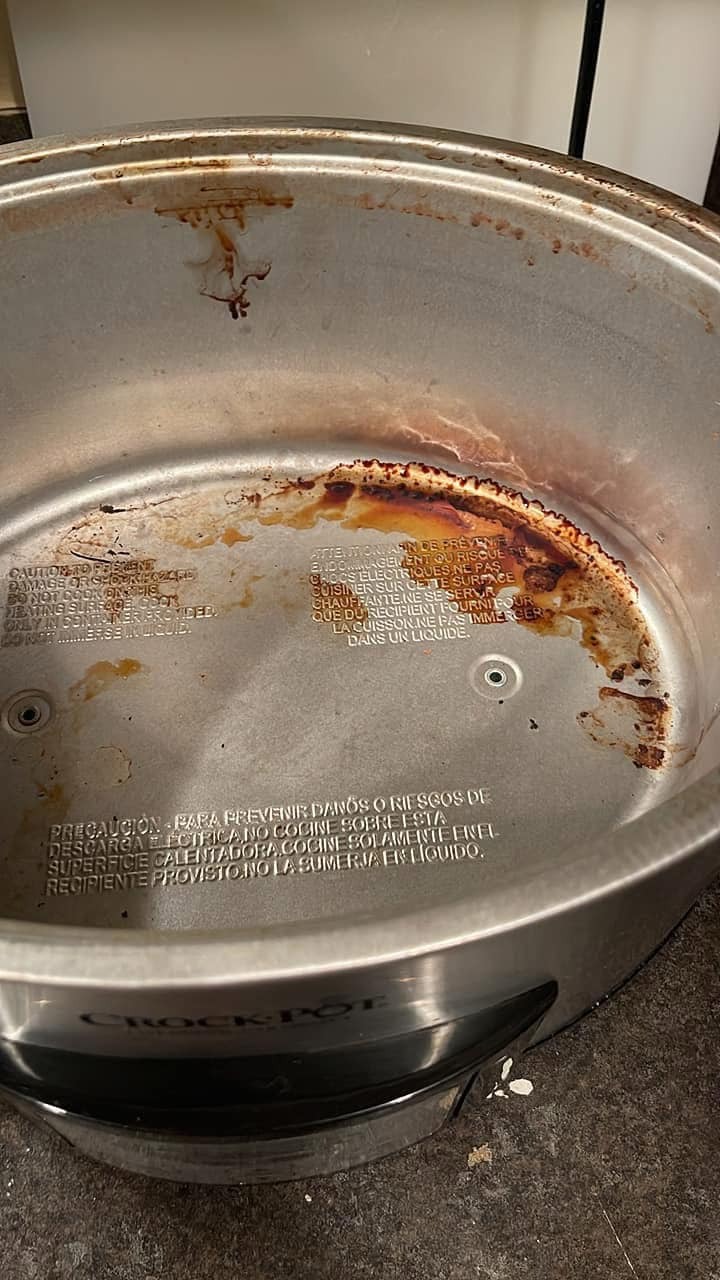
Stainless steel cookware is built to last, yet daily use can leave behind stains, heat marks, or a faded appearance. Fortunately, bringing back its original shine doesn’t require aggressive cleaners or expensive products. With a few basic items already in your kitchen and a careful approach, you can refresh your pans and keep them looking clean, bright, and well-maintained.
Begin by preparing a mild cleaning paste using baking soda and a small amount of water. Mix until you achieve a smooth, thick consistency that spreads easily. Apply this paste over the areas where discoloration or buildup is most noticeable, ensuring even coverage. Allow it to rest for about 10 to 15 minutes, giving it time to gently break down residue without damaging the surface.
Next, use a soft cloth or a non-abrasive sponge to work the paste into the metal. Clean along the natural grain of the stainless steel rather than in circular motions, as this helps protect the finish and ensures a more uniform result. This method lifts stubborn marks while maintaining the cookware’s smooth texture and polished look.
For any remaining dull spots, lightly wipe the surface with a cloth dampened in white vinegar to enhance brightness. Finish by rinsing thoroughly with warm water and drying immediately with a clean towel to avoid water spots. With consistent care and these simple steps, your stainless steel cookware can retain its shine and remain a reliable part of your kitchen routine.