
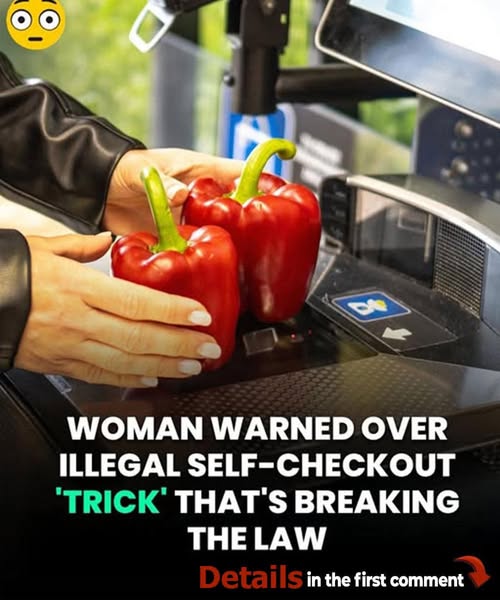
Imagine standing at a self-checkout kiosk with no employee immediately nearby. The experience feels different from handing items directly to a cashier. Over the past decade, retailers across the United States have expanded self-service checkout systems to improve efficiency and reduce wait times. These stations provide speed and independence, allowing customers to scan, bag, and pay at their own pace. Yet alongside convenience, they introduce new behavioral dynamics that businesses and consumers alike continue to navigate.
One ongoing discussion centers on how self-checkout systems create opportunities for scanning errors or intentional misuse. Some shoppers may enter incorrect product codes, skip items, or mislabel purchases. When such discrepancies occur repeatedly across thousands of stores, even small losses can accumulate into significant financial impacts. Retail analysts have noted that shrinkage—industry terminology for inventory loss—can rise when systems rely heavily on customer self-scanning without oversight.
Psychology helps explain part of this trend. When transactions feel automated and less personal, some individuals may perceive reduced social accountability. Without a cashier present, the sense of direct interaction diminishes. Researchers studying consumer behavior suggest that anonymity can influence decision-making, particularly when the perceived risk seems low. However, these situations also highlight the importance of personal ethics. Technology may alter the checkout process, but values such as honesty and responsibility remain constant.
To address potential losses, retailers are investing in smarter solutions. Modern self-checkout systems increasingly incorporate camera monitoring, artificial intelligence, and real-time transaction analysis to identify inconsistencies. These innovations aim to maintain convenience while reinforcing accountability. For shoppers, the broader lesson is straightforward: integrity does not depend on supervision. Even in automated environments, responsible choices contribute to a fair and efficient retail experience for everyone.