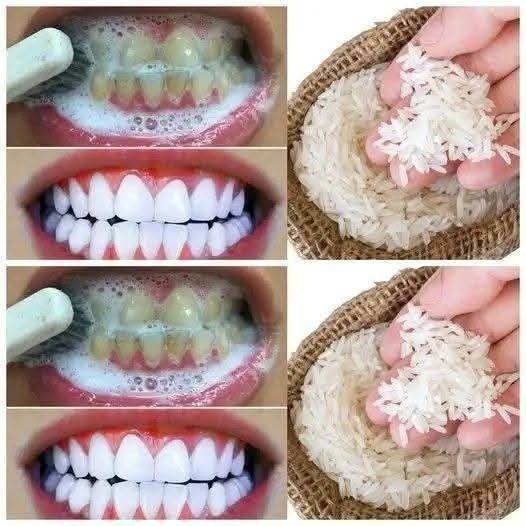
Social media often promotes quick solutions, including a popular claim that teeth can appear whiter in just one minute using everyday kitchen ingredients. Recipes commonly mix rice flour, lemon juice, olive oil, and toothpaste, suggesting a brief brush and rinse will deliver instant brightness. While the idea sounds convenient, understanding what’s actually happening helps separate short-term appearance from lasting results—and highlights why caution matters.
Each ingredient plays a different role. Rice flour can act as a gentle abrasive, helping remove some surface residue that dulls teeth. Lemon juice contains natural acids that may loosen stains, but those same acids can also soften enamel if used repeatedly. Olive oil is sometimes linked to traditional oral care practices, though it doesn’t meaningfully whiten teeth. Toothpaste contributes familiar cleansing agents and fluoride, supporting routine hygiene rather than instant color change.
Any improvement people notice after trying this mixture is typically temporary. It’s often the result of surface cleaning and light reflection, not a true change in tooth color. Combining abrasives with acidic ingredients too often may increase sensitivity or gradually wear enamel, which can ultimately make teeth look less healthy over time. That’s why quick brightness doesn’t always equal better outcomes.
For a more balanced approach, many opt for consistent habits that support both appearance and comfort. Using whitening toothpaste as directed, brushing gently and regularly, rinsing after stain-prone foods or drinks, and including crunchy fruits and vegetables can help maintain a brighter smile over time. If you have sensitivity or dental concerns, it’s best to skip harsh DIY mixtures. In the end, steady care tends to deliver better results than rapid fixes.