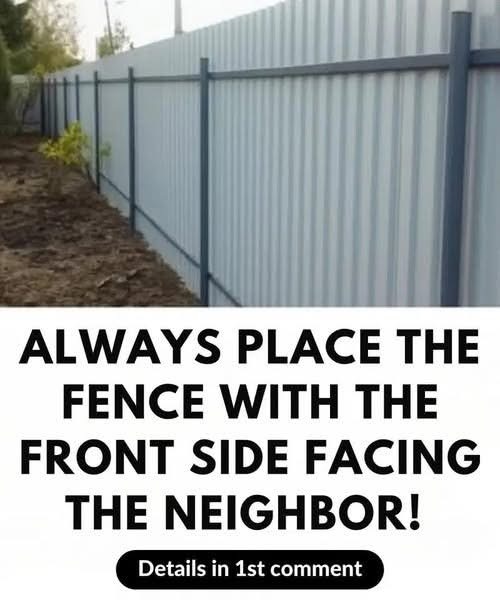
When planning a fence between properties, it’s easy to concentrate on privacy, safety, and boundaries. A crucial but often overlooked step is deciding which side faces outward. Positioning the finished, polished side toward your neighbor is a small choice that carries meaningful impact. It signals care and consideration, setting a positive tone that can prevent misunderstandings before they start.
Begin by understanding why orientation matters. Presenting the attractive side outward communicates respect and helps preserve goodwill, while exposing the structural side can feel dismissive. Many local governments and homeowner associations reinforce this standard to maintain neighborhood appearance. Checking codes early can save time and expense, as ignoring requirements may result in complaints, fines, or the need to rebuild.
Next, consider the broader effects on appearance and value. A fence with its finished side facing out enhances curb appeal and contributes to a cohesive streetscape. By contrast, an unfinished side can read as neglected or utilitarian, subtly detracting from resale appeal. This practice reflects a shared value across communities: recognizing that personal improvements also shape shared spaces.
Finally, plan for success through communication and upkeep. Review local regulations, talk with neighbors before installation, and explore double-sided designs if appropriate. Regular maintenance—cleaning, painting, and timely repairs—keeps the fence functional and attractive. In the end, facing the finished side outward is more than an aesthetic choice; it’s a practical gesture of courtesy, compliance, and community-minded ownership that turns a simple barrier into a sign of respect.