
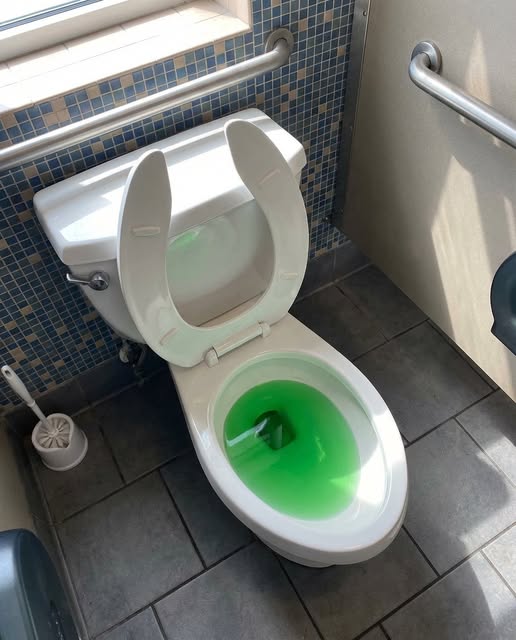
Few household problems create panic as quickly as a toilet that won’t drain. When flushing only makes the water level rise, stress tends to follow. Yet not every clog requires specialized equipment or immediate repairs. In many cases, minor blockages can be addressed using items already in your kitchen. Understanding a calm, step-by-step approach can save time, reduce frustration, and potentially prevent unnecessary service calls.
Start with liquid dish soap. Pour a generous amount directly into the toilet bowl, allowing it to settle at the bottom. The soap acts as a lubricant, helping loosen material that may be restricting flow inside the pipe. Next, carefully add hot water—warm to very hot, but not boiling, as extremely high temperatures can damage porcelain. Pour the water slowly from waist height to help create gentle pressure. Allow the mixture to sit for at least 10 to 15 minutes. In many cases, the water level will gradually lower as the blockage softens and shifts.
If the clog persists but appears minor, a second option involves baking soda and vinegar. Pour about one cup of baking soda into the bowl, followed by one to two cups of vinegar added slowly. The fizzing reaction can help break apart buildup caused by soap residue or organic waste. Let the mixture sit for 20 to 30 minutes before flushing gently. This method is often effective for partial obstructions and is safe for most standard plumbing systems when used occasionally.
While these approaches work well for smaller clogs, repeated or severe blockages may require professional evaluation. The key takeaway is patience and measured action. By trying simple solutions first—dish soap, hot water, or a baking soda and vinegar reaction—you may resolve the issue without complex tools. Sometimes the most practical fixes are also the least complicated, offering both relief and a useful household skill for the future.