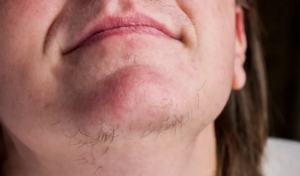
Noticing a few hairs on the chin is more common than many realize, and in most cases it reflects normal shifts in the body rather than a health problem. Hair growth patterns change over time, and areas like the chin or jawline can become more noticeable as hormones fluctuate. For many women, these changes appear gradually and remain mild, forming part of the body’s natural variation rather than something to fear.
Hormones play a central role in this process. Androgens—hormones present in both men and women—can influence the thickness and location of hair growth. When levels shift, or when hair follicles become more responsive to these hormones, fine or slightly coarser hairs may appear on the face. Age and genetics also contribute, which is why experiences differ from person to person and even within the same family.
Certain life stages and conditions can make these changes more visible. For example, polycystic ovary syndrome (PCOS) may be associated with increased facial hair along with other signs such as irregular cycles or skin changes. Menopause can also bring gradual hormonal adjustments that highlight existing patterns. In most situations, these developments happen slowly and can often be managed with simple grooming choices or, if needed, guidance from a healthcare provider.
If hair growth becomes sudden, significantly denser, or is accompanied by other unusual symptoms, it’s sensible to seek professional advice for a clearer understanding. Otherwise, occasional chin hairs are typically a normal part of how the body evolves over time. Approaching these changes with awareness and balance can help maintain both confidence and overall well-being.