
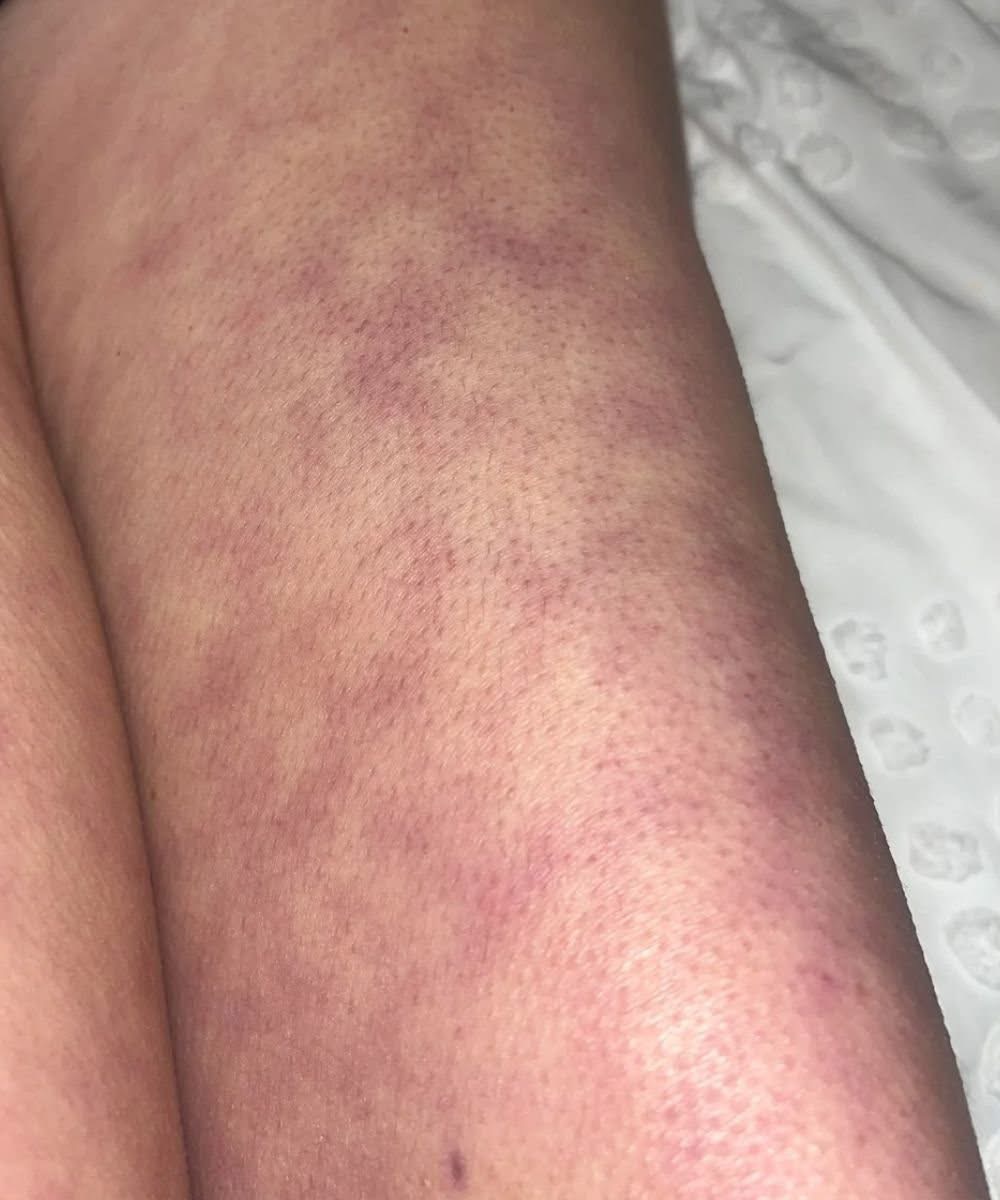
Dermatologists often emphasize that the skin can reflect more than surface-level concerns. As Dr. Joseph Jorizzo of Wake Forest University has noted, visible skin changes sometimes offer clues about overall health. While the skin primarily acts as a protective barrier, unexpected discoloration, texture shifts, or patterns may occasionally signal that the body is responding to internal factors. Paying attention to persistent or unusual changes can support earlier conversations with healthcare professionals.
One condition that highlights this connection is livedo reticularis (LR), commonly described as a purplish or bluish net-like pattern on the skin. It is most often seen on the arms or legs and tends to appear when blood flow to the small vessels near the skin’s surface becomes temporarily reduced. In many cases, LR is harmless and fades as circulation improves—especially when the skin warms after cold exposure. It is more frequently observed in infants and women between the ages of 20 and 50.
Medical experts generally distinguish between two types of LR. Primary (physiological) livedo reticularis is typically a benign reaction to cold temperatures and resolves without treatment. Secondary (pathological) livedo reticularis, however, may persist longer and can sometimes be associated with underlying conditions such as autoimmune disorders, vascular concerns, thyroid imbalances, or certain medication effects. Cold weather, blood vessel spasms, and some prescription drugs—including medications used in neurological care—may also contribute to its appearance. In rare instances, a persistent pattern may warrant further evaluation to rule out more complex circulatory conditions.
For primary LR, no specific treatment is usually required beyond staying warm and supporting healthy circulation. If secondary LR is suspected, a healthcare provider may recommend diagnostic testing and individualized management based on the root cause. Lifestyle measures—such as maintaining balanced blood pressure, avoiding smoking, staying physically active, and following medical guidance—can further support vascular health. While most cases are mild, persistent or unexplained skin changes should always be evaluated by a qualified professional. Observing your skin carefully and responding proactively can help ensure overall well-being.