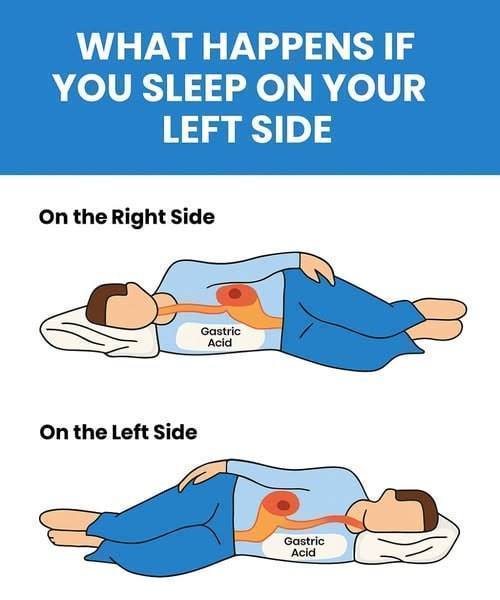
Changing your sleep position might seem minor, but it can influence how your body feels and functions overnight. Resting on your left side, in particular, is often associated with improved comfort and more restful sleep. This position encourages natural body alignment and can help ease common issues such as stiffness, disrupted breathing, or nighttime discomfort, starting with better support for the spine.
When you sleep on your left side, your spine is more likely to remain in a neutral position, which can reduce strain on the lower back and lessen morning tightness. This posture also spreads weight more evenly, helping joints and muscles relax. Another noticeable benefit is quieter breathing. Unlike back sleeping, which can allow the tongue and soft tissues to narrow the airway, side sleeping supports clearer airflow and may reduce snoring.
Digestive comfort is another reason many people prefer this position. Lying on the left side allows gravity to assist the natural movement of food through the digestive system, which can help minimize discomfort after meals. Some research also suggests that this posture may support the body’s nighttime cleansing processes, helping the brain clear waste more efficiently during rest.
Left-side sleeping can also promote healthy circulation. It’s often recommended during pregnancy because it supports steady blood flow and reduces pressure on major vessels. For anyone adjusting to this position, simple changes—such as using a supportive pillow or placing one between the knees—can make side sleeping more comfortable. With a bit of patience, this small habit shift can lead to more refreshing and balanced sleep.