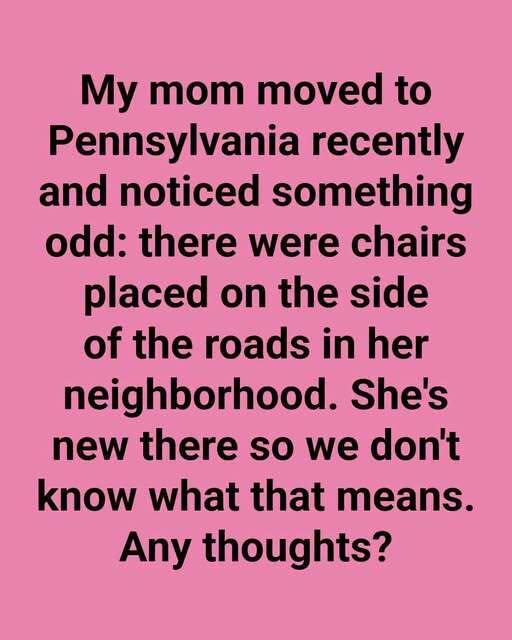
Winter in cities with heavy snowfall often brings challenges that go far beyond cold temperatures. In many older Pittsburgh neighborhoods, where homes frequently lack private driveways, finding a place to park can become one of the most difficult parts of the day after a snowstorm. Residents may spend hours clearing thick snow and ice from a curbside parking spot, using shovels and salt to make the space accessible again. Once the work is finished, it’s common to see a simple lawn chair, traffic cone, crate, or similar household item placed in the cleared spot as a polite signal that the person hopes to return to it later.
This practice, often referred to locally as “parking chair season,” has been part of Pittsburgh’s winter culture for generations. Although these objects do not officially reserve public parking spaces, they represent an informal community custom rather than a legal rule. Many longtime residents recognize the symbol and choose to respect it, viewing it as a gesture of appreciation for the time and physical effort someone invested in clearing the snow. The tradition reflects a neighborhood culture where courtesy and mutual understanding often help reduce conflict during difficult winter conditions.
From a legal standpoint, public streets remain available for everyone to use, regardless of who removed the snow. Local governments generally do not recognize chairs, cones, or other items as official parking reservations, meaning any open public parking space may legally be used by another driver. Even so, many neighbors voluntarily honor the tradition to maintain positive relationships within the community and avoid unnecessary disagreements. Others believe public parking should remain equally accessible to all residents, making the custom an ongoing topic of friendly discussion each winter.
For visitors unfamiliar with Pittsburgh, seeing an empty parking space “guarded” by a lone chair may seem unusual or even amusing. However, for many local residents, the object represents much more than a place to park. It serves as a reminder of the hard work required after a snowstorm, the value of respecting one another’s efforts, and the importance of neighborly consideration. Whether people choose to follow the custom or not, it remains one of the city’s most recognizable winter traditions and a fascinating example of how communities develop their own unwritten ways of working together.