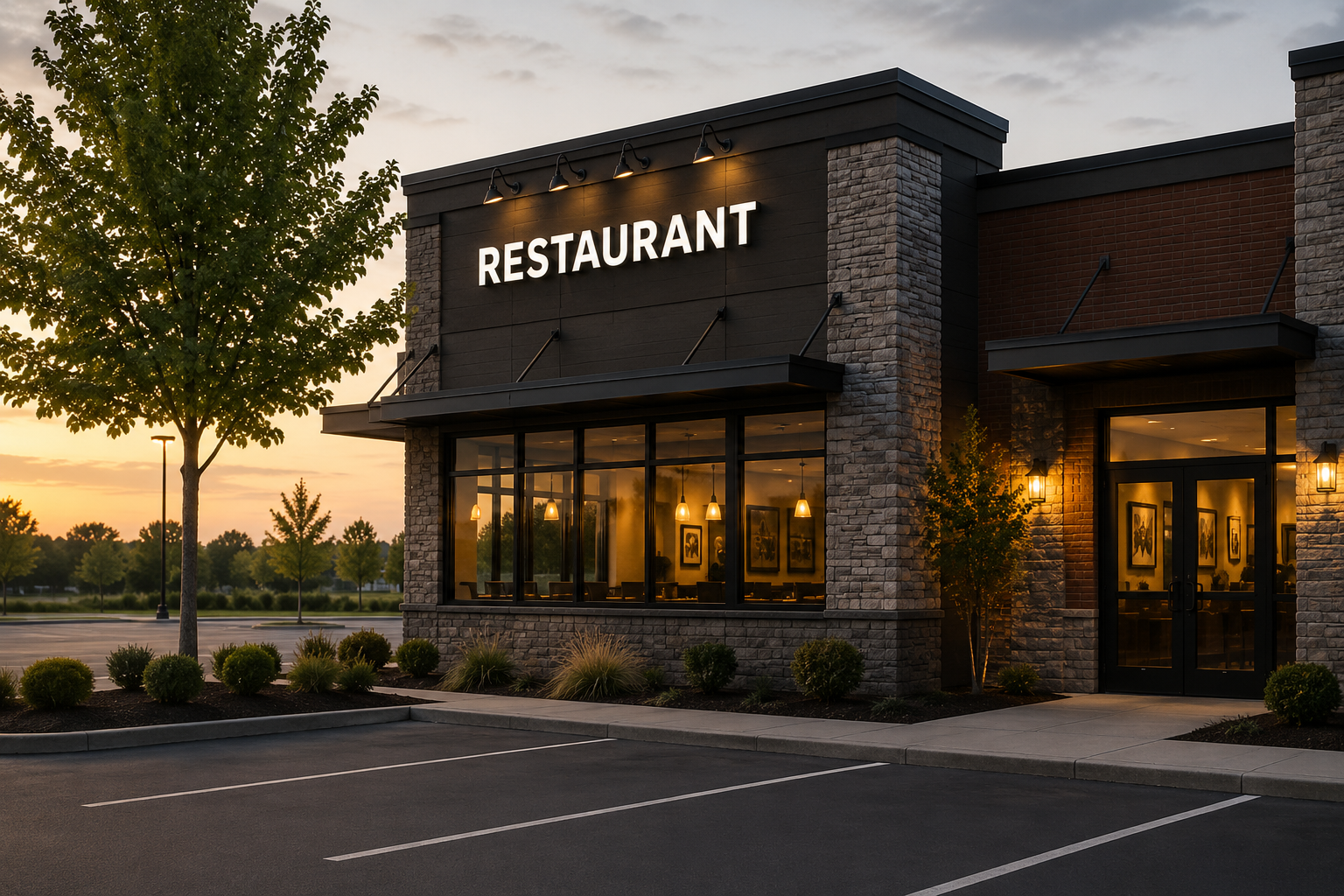
The restaurant industry is experiencing a period of significant change as many well-known chains reevaluate how they operate in an increasingly competitive marketplace. Over the past few years, rising expenses, evolving customer preferences, and economic uncertainty have encouraged businesses to rethink their long-term strategies. Rather than reflecting the challenges of a single company, the growing number of restaurant closures highlights broader trends affecting food service businesses across the country. Many brands are now focusing on creating more efficient operations while continuing to meet customer expectations for quality, convenience, and value.
Several factors have contributed to this shift. The cost of ingredients, utilities, rent, and employee wages has increased, making it more expensive to operate restaurant locations. At the same time, many businesses rely on third-party delivery services, which provide convenience for customers but also introduce additional operating costs. Consumer behavior has evolved as well, with more households preparing meals at home, seeking budget-friendly dining options, or choosing takeout over traditional dine-in experiences. These changing habits require restaurant operators to carefully balance expenses while maintaining the standards that customers expect.
The impact extends beyond business performance alone. When restaurant locations close, employees may need to seek new opportunities, and neighborhoods can lose familiar gathering places that have served local families for years. For franchise-based businesses, these changes emphasize the importance of thoughtful planning, open communication, and responsible decision-making. Companies that carefully evaluate market conditions while supporting their teams and communities are often better positioned to navigate periods of transition and maintain long-term stability.
One example is Papa John’s, which has announced the closure of several locations as part of efforts to better align its operations with current market conditions. Industry analysts note that this reflects wider challenges affecting many restaurant brands rather than a problem unique to one company. As the food service landscape continues to evolve, businesses that embrace innovation, improve operational efficiency, and respond to changing customer needs are likely to remain competitive. The coming years will reward restaurants that combine adaptability with a strong commitment to customer experience and sustainable growth.