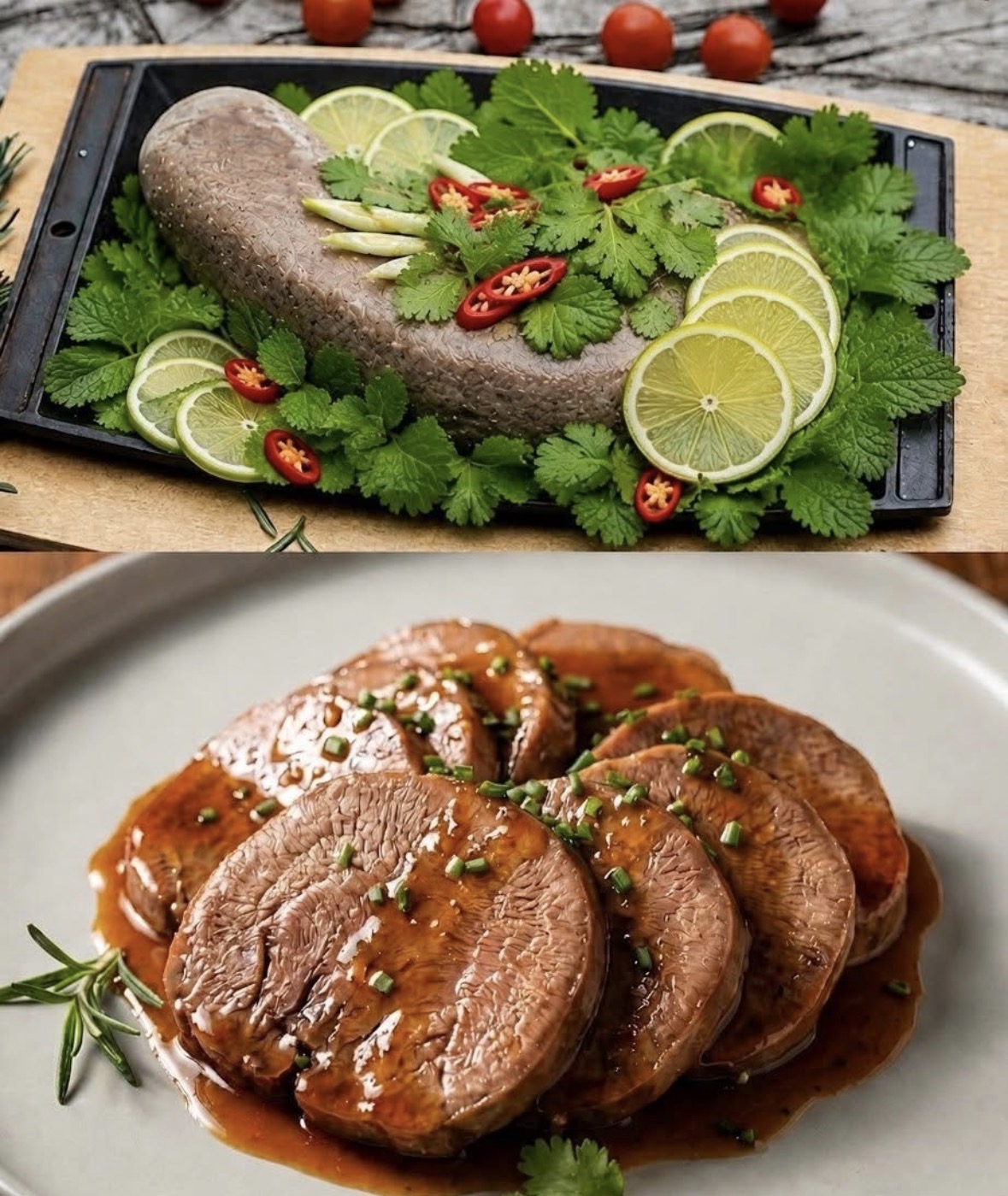
Beef tongue may not be the first ingredient many people think of at the grocery store, yet it has long been valued in traditional cooking around the world. In countries across Latin America, Europe, and Asia, it remains a respected part of classic recipes known for rich flavor and remarkably tender texture when prepared correctly. Although it appears firm before cooking, slow simmering transforms the meat into a soft, flavorful dish that highlights the importance of patience and traditional preparation methods.
One reason beef tongue continues to attract attention is its strong nutritional profile. It contains high-quality protein that helps support muscle maintenance, recovery, and overall energy levels. It is also naturally rich in important nutrients such as iron, zinc, and vitamin B12. These nutrients play important roles in oxygen transport, immune support, and healthy nervous system function. When included as part of a balanced diet, beef tongue can provide a concentrated source of nutrition alongside its satisfying flavor.
Preparation plays a major role in the dish’s appeal. Beef tongue is typically slow-cooked with herbs, onions, garlic, and mild seasonings until it becomes tender enough to slice easily. After cooking, the outer layer is removed, revealing the softer interior commonly served in tacos, sandwiches, stews, or sliced dishes with vegetables and sauces. Different culinary traditions prepare it in unique ways, but most recipes focus on gentle cooking methods that allow the meat to absorb surrounding flavors while maintaining its rich texture.
Like many traditional foods, beef tongue reflects a broader appreciation for resourceful cooking and using ingredients thoughtfully rather than wastefully. While moderation remains important with any rich food, many people continue to enjoy it as part of balanced, home-style meals rooted in cultural tradition. Its renewed popularity also highlights how older recipes and overlooked ingredients can still offer both nutritional value and comforting flavor in modern kitchens.