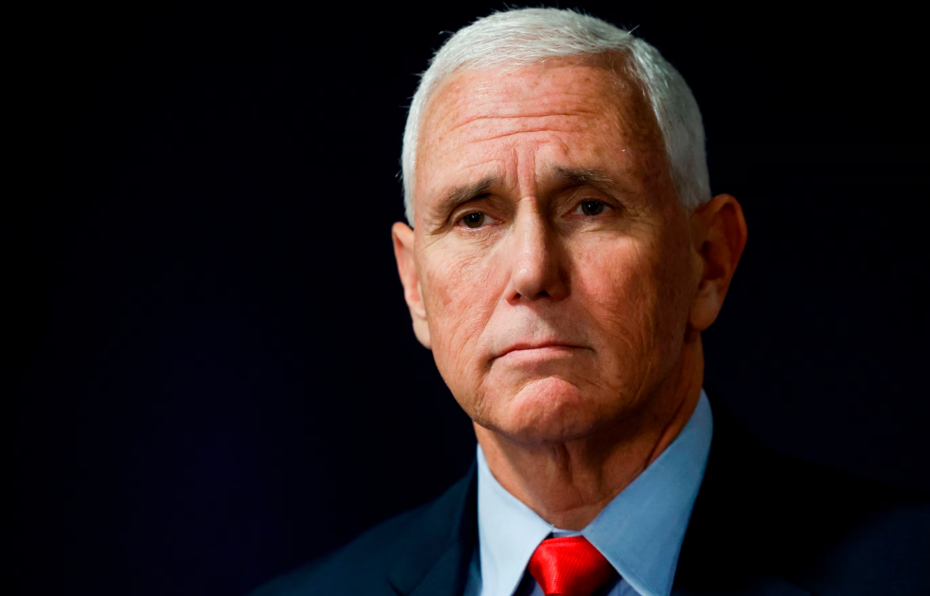
Political discussions surrounding the events of January 6 continue to shape public debate across the United States, particularly among leading Republican figures. Recent remarks from Mike Pence once again highlighted differences between him and Donald Trump regarding how individuals connected to the Capitol events should be viewed and treated moving forward. Speaking during conversations connected to his book and public appearances, Pence emphasized that people who committed acts of violence against law enforcement officers should not receive taxpayer-funded compensation through any future government-related process.
Pence described January 6 as a deeply troubling moment in modern American political history while also stressing the importance of protecting peaceful political expression. At the same time, he maintained that actions involving violence and unlawful behavior must remain separate from constitutionally protected protest activity. His comments reflected positions he has repeated consistently since the events occurred, drawing a distinction between peaceful demonstrators and individuals accused of assaulting officers or entering restricted government areas unlawfully.
The broader discussion has gained attention because of ongoing political debate surrounding government investigations, legal treatment of defendants, and concerns raised by some conservatives about potential overreach by federal institutions. Supporters of Trump have argued that certain individuals connected to the events were treated unfairly or subjected to politically motivated actions, while critics continue emphasizing the importance of accountability and respect for democratic institutions. These disagreements have become part of larger conversations about leadership, constitutional responsibilities, and the future direction of conservative politics in the United States.
The relationship between Pence and Trump changed significantly after Pence declined requests to challenge certification of the 2020 election results, stating publicly that his actions were guided by constitutional duty. Since then, both men have continued addressing the legacy of January 6 from different perspectives. For many observers, the ongoing debate reflects not only disagreement between two political figures, but also broader national conversations about accountability, political responsibility, and how major historical events are interpreted over time.