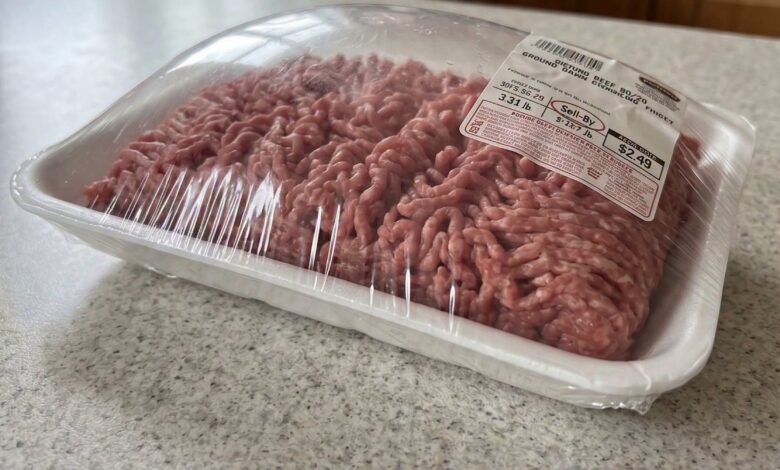
A package that appears swollen or puffed up can easily raise questions, but not every inflated package signals a problem. In many cases, the appearance is simply part of the product’s packaging design. Understanding why some packages contain extra air—and recognizing when unusual swelling may indicate a quality concern—can help you make more informed choices while shopping and preparing food.
One of the most common examples is a bag of potato chips or other delicate snacks. Manufacturers often fill these packages with nitrogen, an inert gas that helps preserve freshness and cushions the contents during shipping. This protective atmosphere reduces the chance of chips breaking before they reach store shelves. Although the bag may seem larger than expected, the extra space is primarily intended to protect the product rather than mislead consumers.
On the other hand, unexpected swelling in refrigerated or shelf-stable foods deserves closer attention. Packages containing products such as dairy items, processed meats, or ready-to-eat meals that become unusually inflated may have undergone changes during storage. In some situations, gas can build up inside the package because of microbial activity or other factors that affect food quality. Likewise, canned foods that are bulging, leaking, heavily dented, or damaged should be handled with caution and are generally best avoided.
Developing a habit of inspecting food packaging is a simple step that supports food safety. Before purchasing or eating a product, check for signs such as unusual swelling, leaks, unpleasant odors, or visible changes in appearance. Store perishable foods according to the instructions on the label and maintain appropriate refrigeration temperatures whenever required. By recognizing the difference between normal packaging features and potential warning signs, you can make more confident decisions and help keep your meals fresh and safe.