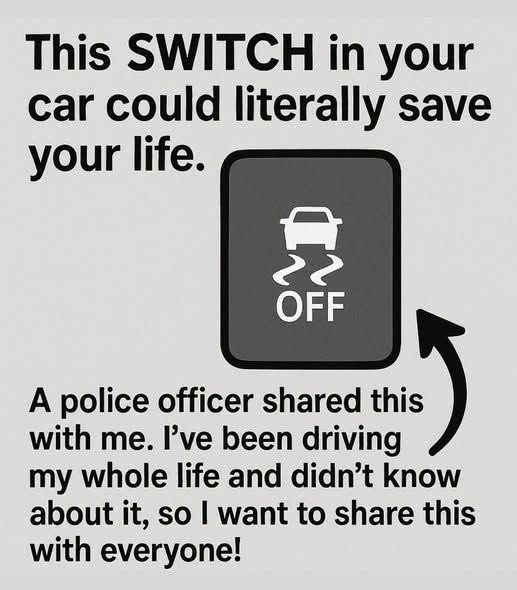
Modern vehicles include a variety of built-in safety systems, yet some of the most valuable features often go unnoticed. One example is the traction control or electronic stability control (ESC) system, typically identified by an icon showing a car with wavy skid marks. Many drivers rarely think about this feature because it operates automatically in the background, stepping in only when road conditions become challenging. Understanding what it does can help you make better decisions behind the wheel and improve overall driving safety.
Traction control and stability control are designed to help maintain grip and vehicle stability when the tires begin to lose traction. During situations such as driving on wet roads, snow, ice, loose gravel, or other slippery surfaces, the system can reduce engine power or apply braking to individual wheels when needed. These automatic adjustments help the vehicle remain more stable and can reduce the likelihood of skidding during everyday driving. Because the system reacts much faster than most drivers can, it provides valuable assistance during unexpected changes in road conditions.
For normal driving, manufacturers generally recommend leaving traction control and electronic stability control turned on. These systems are intended to support the driver—not replace safe driving practices—and are particularly useful during emergency maneuvers or when road surfaces become unpredictable. There are a few situations where temporarily disabling traction control may be appropriate, such as when a vehicle is stuck in deep snow, mud, or sand and additional wheel spin is needed to regain movement. Once the vehicle is free, the system should typically be turned back on before continuing to drive.
Taking a few minutes to become familiar with your vehicle’s dashboard symbols and owner’s manual can help you understand how these safety features work. Knowing when traction control is active and recognizing the indicator light allows you to make informed decisions in different driving conditions. Combined with appropriate speed, safe following distances, and careful attention to the road, traction control and stability control are valuable technologies that contribute to safer everyday travel.