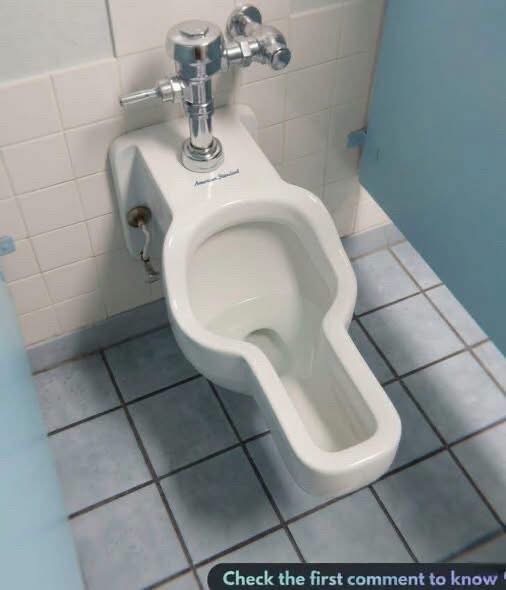
Innovation is not always about cutting-edge technology—sometimes it begins with rethinking the everyday spaces people use every day. Public restroom design has become an area of growing interest as architects, engineers, and facility planners explore new ways to improve convenience, accessibility, and efficiency. Rather than replacing traditional restroom layouts, many modern concepts aim to expand the range of available options so that public facilities can better serve the needs of diverse users in airports, stadiums, schools, and other high-traffic environments.
One of the key goals behind these design innovations is reducing wait times during busy periods. Large venues often experience significant restroom congestion, particularly during events with scheduled intermissions or peak attendance. By introducing additional fixture options and optimizing restroom layouts, designers hope to improve traffic flow and provide a more efficient experience for visitors. Careful planning allows facilities to make better use of available space while supporting smoother movement through public areas.
Sustainability has also become an important consideration in restroom planning. Many newer fixtures are designed to reduce water consumption and simplify maintenance, contributing to broader environmental goals. Some designs also seek to minimize contact with shared surfaces, supporting improved hygiene and easier cleaning. As governments, businesses, and public institutions continue investing in environmentally responsible buildings, restroom infrastructure has become an important part of long-term sustainability strategies.
The success of any new restroom concept ultimately depends on thoughtful design and public acceptance. Factors such as privacy, accessibility, comfort, ease of use, and compliance with local building regulations all play a significant role in determining whether new solutions are effective. As communities continue to evolve, discussions about restroom design reflect a broader effort to create public spaces that are more inclusive, practical, and responsive to the needs of modern society.