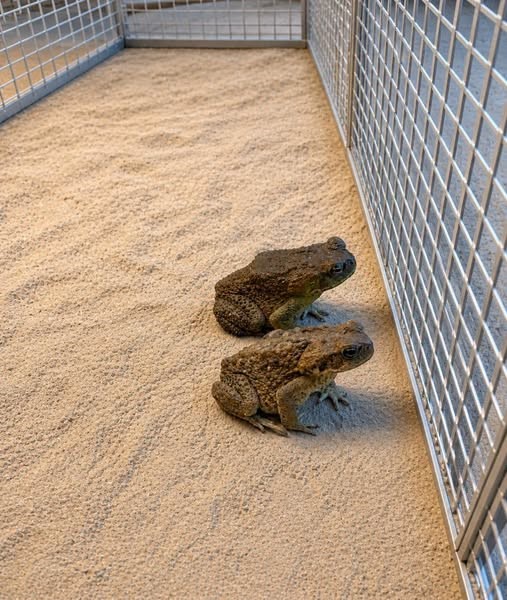
Spotting a toad near your home may come as a surprise, but in most cases, it is simply a sign of a healthy outdoor environment. These quiet amphibians are naturally attracted to damp, shaded places where food is easy to find. Gardens, flower beds, patios, and areas around outdoor lights often provide ideal conditions, especially after rainfall or on warm, humid evenings. Occasionally, a toad may wander into a garage, porch, or basement while searching for a cool place to rest before continuing on its way.
One of the biggest benefits of having toads nearby is their role in supporting a balanced ecosystem. Their diet consists mainly of small insects, including mosquitoes, beetles, flies, and other common garden pests. By feeding on these insects, toads contribute to natural pest control, helping homeowners reduce reliance on chemical treatments. Their presence can also indicate that your yard provides suitable habitat for local wildlife, with access to shelter, moisture, and a healthy natural environment.
Throughout history, toads have also appeared in stories, traditions, and cultural symbolism around the world. Because they begin life as tadpoles before developing into land-dwelling adults, they are often associated with growth, adaptation, and change. Some traditions also connect them with resilience, renewal, or good fortune, although these interpretations vary widely depending on cultural beliefs. While these symbolic meanings are part of folklore rather than science, they continue to add interest to the way people view these fascinating creatures.
Rather than seeing a visiting toad as an unwanted guest, consider it an opportunity to appreciate the diversity of nature just outside your door. Small wildlife plays an important role in maintaining healthy ecosystems, even in suburban neighborhoods and city gardens. By respecting these helpful animals and preserving welcoming outdoor spaces, homeowners can support local biodiversity while enjoying a more balanced and vibrant environment. Sometimes the smallest visitors are quiet reminders of how closely our daily lives remain connected to the natural world.