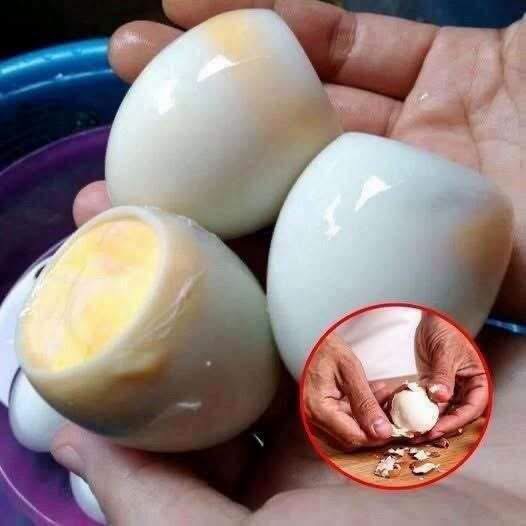
Preparing hard-cooked eggs doesn’t always require a pot of boiling water. An increasingly popular kitchen technique uses a standard muffin tin and an oven to cook multiple eggs at once with very little hands-on effort. For many home cooks, this approach offers a convenient alternative, especially when preparing breakfast for a family, meal-prepping for the week, or making large batches for gatherings. While the method is straightforward and reliable, understanding both its strengths and its limitations can help you achieve the best results.
To try this technique, place one egg into each cup of a muffin tin and bake them in a preheated oven at approximately 325°F to 350°F (163°C to 177°C). Cooking time may vary depending on your oven and the size of the eggs, but many people find that about 25 to 30 minutes produces firm, fully cooked eggs. As soon as they come out of the oven, transfer the eggs to a bowl of ice water for several minutes. This rapid cooling helps stop the cooking process, improves texture, and often makes peeling the shells easier. Because the oven does most of the work, you’re free to prepare other dishes while the eggs cook.
Like any cooking method, baking eggs has a few considerations. Ovens can heat differently, so slight adjustments to time may be necessary to achieve your preferred texture. Some eggs may develop harmless brown spots on the shell where they touch the hot muffin tin, while extended cooking can cause the yolk to become drier or develop the familiar greenish-gray ring that sometimes appears around overcooked yolks. Although these changes may affect appearance, they do not make properly handled eggs unsafe to eat. Testing a small batch the first time can help you determine the ideal timing for your particular oven.
Both oven baking and traditional stovetop cooking can produce excellent hard-cooked eggs when done carefully. The oven method is particularly useful when preparing a dozen or more eggs with minimal supervision, while boiling remains a great choice for smaller batches and quicker preparation. Choosing the right technique depends on your schedule, kitchen setup, and personal preference. With proper timing and immediate cooling after cooking, either method can provide delicious, easy-to-peel eggs that are perfect for snacks, salads, sandwiches, or meal planning throughout the week.