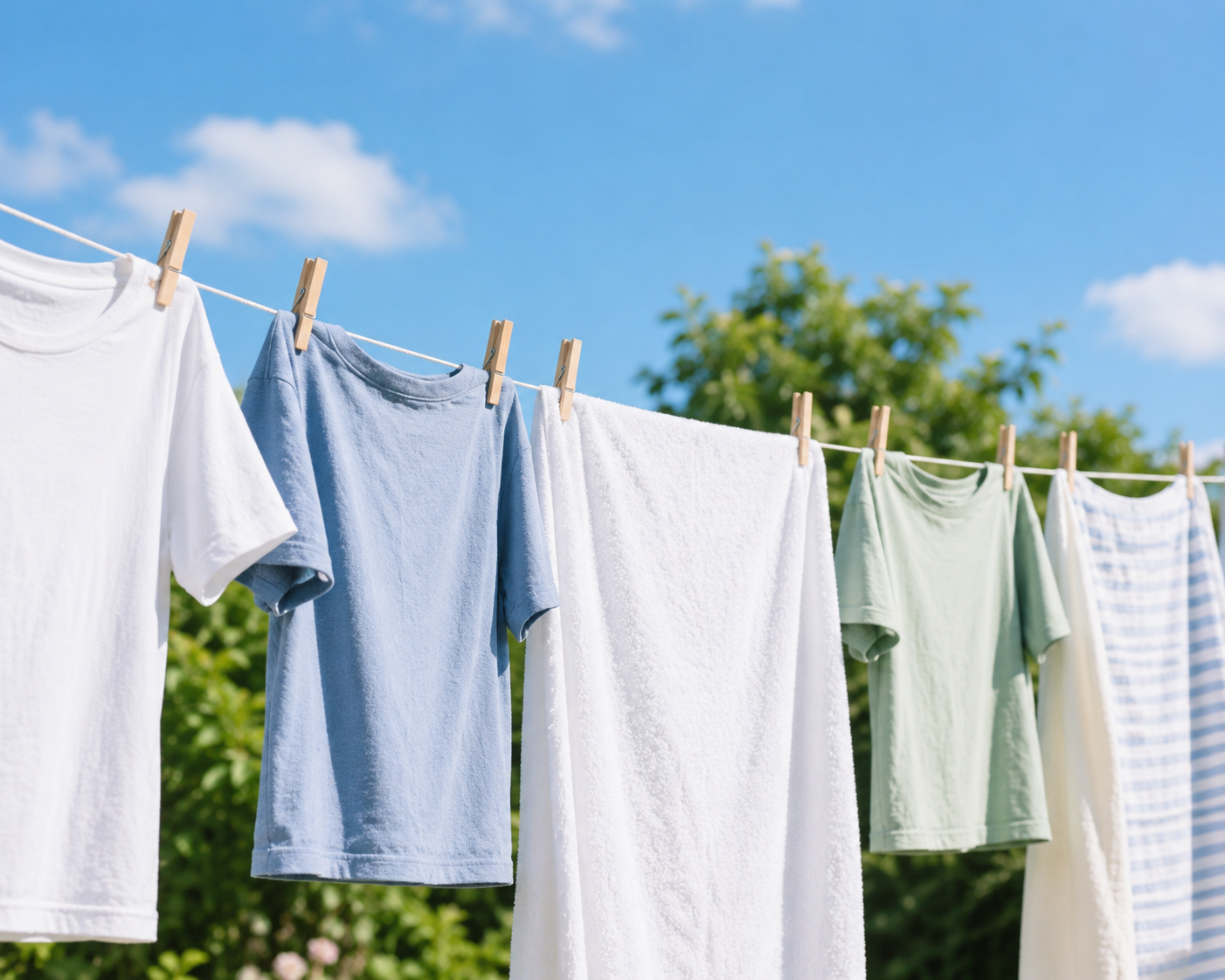
Warm, sunny weather often encourages people to hang laundry outside to dry naturally. Fresh air and sunshine can leave clothes smelling clean and feeling crisp. However, for individuals who experience seasonal allergies, this popular habit may come with an unexpected downside. During spring, summer, and early autumn, airborne pollen levels can rise significantly, creating challenges for those sensitive to common environmental allergens.
When clothing, towels, bedding, and other fabrics are left outdoors for several hours, they can collect tiny pollen particles carried by the wind. Although these particles are often invisible, they may remain trapped in fabrics and later be brought inside the home. For allergy sufferers, this additional exposure can contribute to symptoms such as sneezing, itchy eyes, nasal congestion, and general discomfort, particularly during periods when pollen counts are high.
Fortunately, a few simple adjustments can help reduce exposure. Drying laundry indoors or using a clothes dryer can limit contact with airborne allergens. When spending time outside, wearing sunglasses and a hat may help reduce pollen contact with the eyes and hair. Many experts also recommend changing clothes and showering after returning home, especially after extended outdoor activities. Avoiding areas with freshly cut grass can provide additional relief during peak allergy periods.
While seasonal allergies cannot always be avoided completely, thoughtful daily habits can help make symptoms easier to manage. Paying attention to pollen levels, reducing unnecessary exposure, and making small changes to household routines can support greater comfort throughout allergy season. By taking a proactive approach, individuals can continue enjoying the benefits of warmer weather while minimizing the impact of common seasonal allergens.