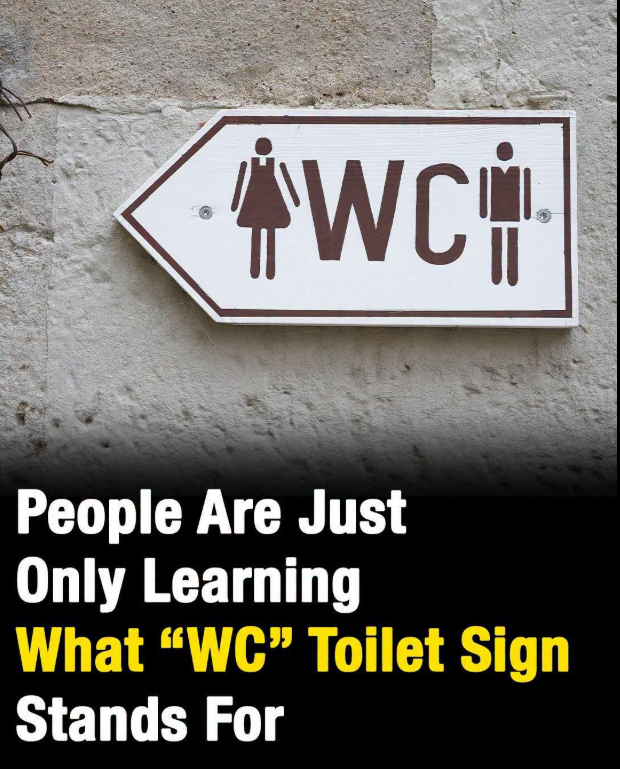
Most people have seen the letters “WC” on signs in airports, hotels, shopping centers, and public buildings, yet few stop to consider what they actually mean. While travelers may encounter different terms such as restroom, bathroom, washroom, loo, or toilet, the abbreviation “WC” remains one of the most widely recognized symbols around the world. Short for “water closet,” the term carries a fascinating history that dates back to the early days of modern indoor plumbing and continues to serve as a universal wayfinding tool today.
The phrase “water closet” emerged during the nineteenth century when indoor sanitation systems were becoming more common in homes and public buildings. At the time, bathing facilities and toilet areas were often located in separate rooms. The water closet referred specifically to a small enclosed space containing a flushing toilet. As plumbing technology advanced and home design evolved, bathrooms gradually combined sinks, bathtubs, and toilets into a single room. Even so, the original term remained part of everyday vocabulary in many regions and eventually became abbreviated as “WC” on signs and building plans.
Around the world, different cultures developed their own preferred names for the same facility. In the United States, people commonly use “bathroom” or “restroom,” while Canadians often say “washroom.” In the United Kingdom, “loo” is a familiar expression, and many other countries favor terms that translate directly to “toilet” or “lavatory.” These regional differences often surprise travelers and occasionally lead to amusing misunderstandings. However, the abbreviation “WC” helps bridge language barriers because it is widely understood regardless of local terminology.
The continued presence of “WC” is a reminder that history often survives in the words and symbols we encounter every day. What appears to be a simple abbreviation actually reflects the evolution of plumbing, architecture, and daily life over generations. Whether you call it a bathroom, washroom, restroom, loo, or water closet, the purpose remains the same. More importantly, the enduring use of “WC” highlights how practical language can connect people from different cultures through a symbol that is recognized almost everywhere in the world.