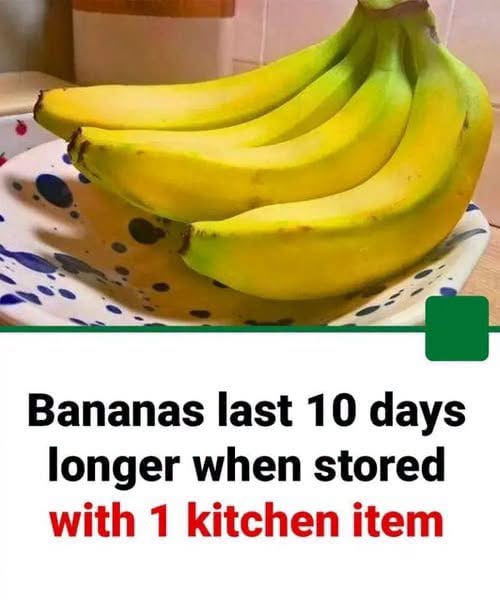
Many people assume bananas become overripe too quickly because they were already close to ripening when purchased. In reality, the cause is often something much less obvious. The way fruit is stored in the kitchen can have a major impact on how long it stays fresh. Understanding a few basic principles of fruit storage can help reduce waste, save money, and keep bananas enjoyable for a longer period of time.
One of the biggest factors influencing ripening is a naturally occurring plant hormone known as ethylene. As certain fruits mature, they release this gas into the surrounding air. Apples, pears, peaches, avocados, and several other fruits are known for producing higher levels of ethylene. Because bananas are highly responsive to this gas, storing them alongside these fruits can speed up the ripening process considerably. What appears to be a convenient fruit arrangement may actually encourage bananas to soften and develop brown spots sooner than expected.
Fortunately, a few simple habits can help extend freshness. Keeping bananas separate from other fruits allows them to ripen at a steadier pace. Many people also find it helpful to leave bananas attached in their original bunch rather than separating them. Another commonly used technique involves wrapping the stem area with plastic wrap or foil, which may help reduce the release and circulation of ethylene around the fruit. Small adjustments like these can make a noticeable difference over several days.
Once bananas reach the stage you prefer, refrigeration can help preserve their quality even longer. While the peel may darken in cooler temperatures, the fruit inside often remains firm and flavorful. By understanding how ripening works and making thoughtful storage choices, households can enjoy bananas at their peak for longer periods. Sometimes the most effective way to reduce food waste is not changing what you buy, but simply changing where and how you store it.