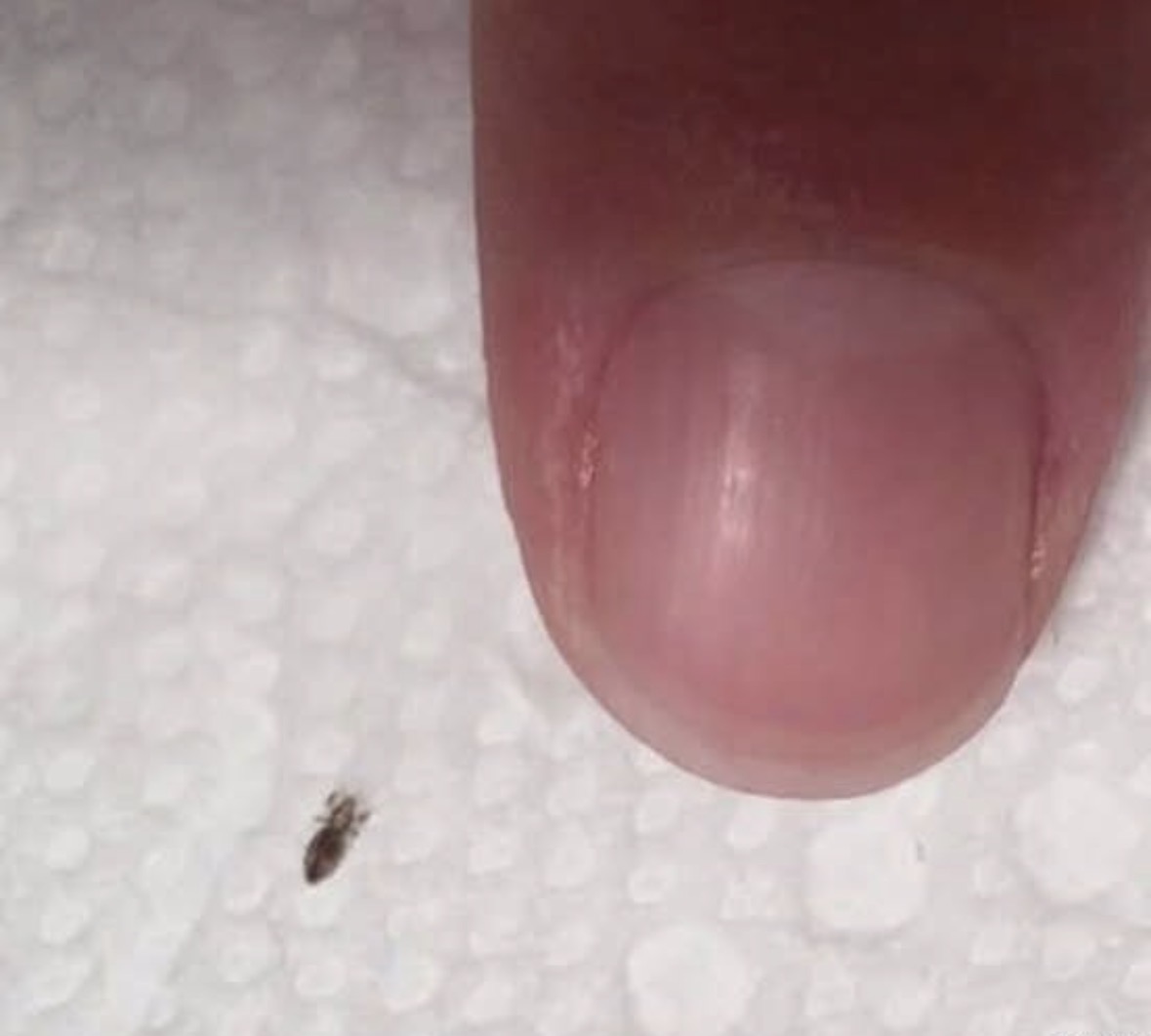
Discovering head lice can quickly disrupt a family’s routine, especially during the school year when close contact among children is common. Although these tiny insects can be frustrating to deal with, they are a widespread issue that many households encounter at some point. Understanding how lice spread, where they live, and the steps needed to remove them can make the process more manageable and reduce unnecessary stress.
Head lice are small insects that live on the scalp and survive by feeding on tiny amounts of blood. They lay eggs, commonly called nits, which attach firmly to hair near the scalp. While lice can cause itching and irritation, they are not known to transmit diseases. Successful treatment usually begins with a lice-removal product designed specifically for this purpose. Following the directions carefully is important to ensure the treatment works as intended and targets active lice effectively.
Removing nits is an equally important part of the process. A fine-toothed lice comb can help separate and remove eggs and remaining insects from the hair. Working through small sections methodically improves results and helps reduce the chance of reinfestation. Because some eggs may hatch after the initial treatment, many products recommend a follow-up application several days later. Consistency and patience are often the keys to achieving the best outcome.
Preventing future outbreaks involves a combination of awareness and good habits. Washing recently used bedding, clothing, and personal items according to care instructions can help maintain a clean environment. Encouraging children not to share items such as brushes, hats, or hair accessories may also reduce the likelihood of spread. Regular scalp checks, particularly during periods when lice are more common, can help identify concerns early. With a thoughtful approach and consistent follow-through, most cases can be successfully managed and resolved.