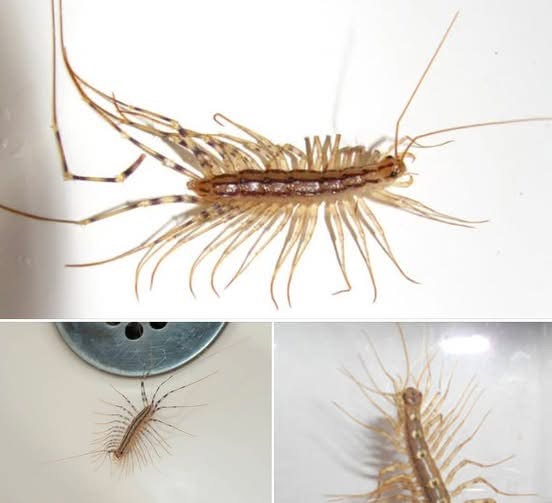
Discovering a house centipede scurrying across the floor can be an unsettling experience for many homeowners. With their numerous legs and quick movements, these creatures often trigger an immediate reaction of surprise. They are most commonly found in damp, low-light areas such as bathrooms, basements, laundry rooms, and storage spaces. While their appearance may be intimidating, understanding their role inside the home can help you make a more informed decision about how to respond when you encounter one.
One useful fact about house centipedes is that they are natural predators of many common household pests. Their diet often includes insects such as ants, small spiders, silverfish, cockroaches, and other unwanted bugs that can become a nuisance indoors. Because they actively hunt these pests, their presence may indicate that they are helping to keep other insect populations under control. In this way, they can contribute to a more balanced indoor environment without the use of chemical treatments.
If you prefer not to share your home with centipedes, there are several practical steps you can take to reduce their presence. Since they are attracted to moisture, lowering indoor humidity can make your home less appealing to them. Improving ventilation, fixing leaks, using dehumidifiers, and keeping damp areas dry are effective strategies. Sealing cracks and gaps around doors, windows, and foundations may also help limit their access to indoor spaces.
The best approach is often prevention rather than panic. House centipedes are generally more interested in finding food and shelter than interacting with people. By maintaining a clean, dry home and addressing conditions that attract insects, you can naturally reduce both centipedes and the pests they feed on. Understanding their role in the household ecosystem can help turn an alarming discovery into a practical opportunity to improve overall home maintenance and comfort.