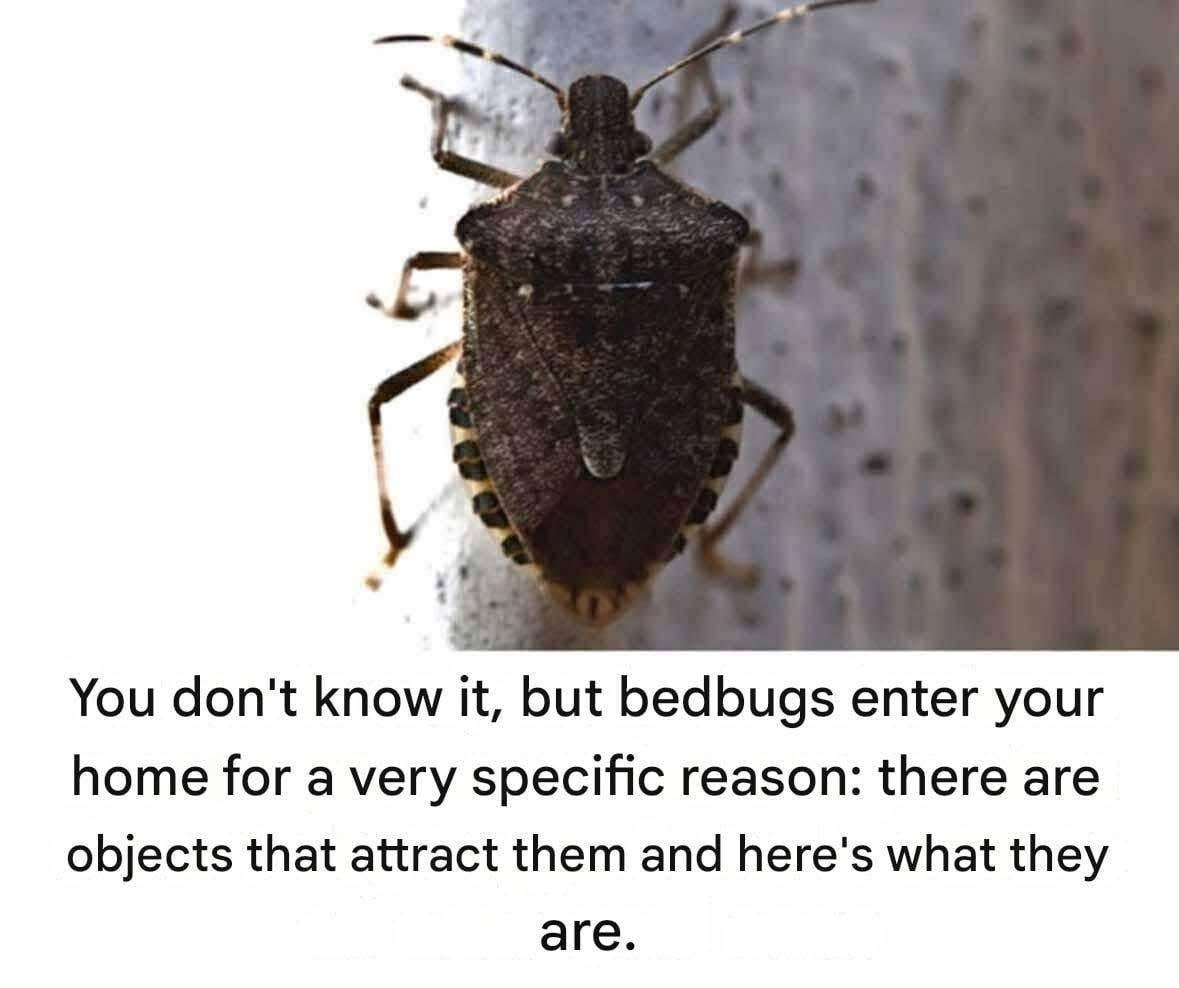
Misidentifying insects is surprisingly common, especially when photos and quick online posts spread faster than accurate information. A recent example involved an insect being labeled as a bedbug, even though its appearance and behavior suggested something entirely different. While the mistake may seem minor, proper identification is important because different insects require different responses. Understanding what you’re actually seeing can help prevent unnecessary worry and ensure that any action you take is both appropriate and effective.
Bedbugs are highly specialized indoor pests known for hiding in sleeping areas and feeding on blood. They typically remain concealed in mattresses, furniture joints, wall crevices, and other sheltered spaces, becoming active mainly during nighttime hours. Because they are closely associated with indoor environments, bedbugs are rarely spotted outdoors and generally do not spend time on exterior walls, garden plants, or windows during the day. Their habits and preferred habitats are quite specific, making them easier to distinguish when accurate information is available.
Many insects that are mistaken for bedbugs are actually harmless outdoor species. One common example is the green stink bug, a plant-feeding insect frequently found in gardens, fields, and wooded areas. These insects may occasionally enter homes when temperatures change, seeking temporary shelter from the weather. Unlike bedbugs, they do not live in bedding, furniture, or clothing, nor do they depend on people for food. They are most often noticed near windows, doors, and light sources, particularly during seasonal transitions.
The best approach when encountering an unfamiliar insect is to remain calm and focus on identification before taking action. Comparing photos with trusted educational resources or consulting a local pest professional can quickly provide clarity. Accurate information not only helps avoid unnecessary concern but also allows homeowners to respond appropriately to the situation. A little knowledge goes a long way in turning uncertainty into confidence and ensuring that common household encounters with insects are handled wisely and responsibly.