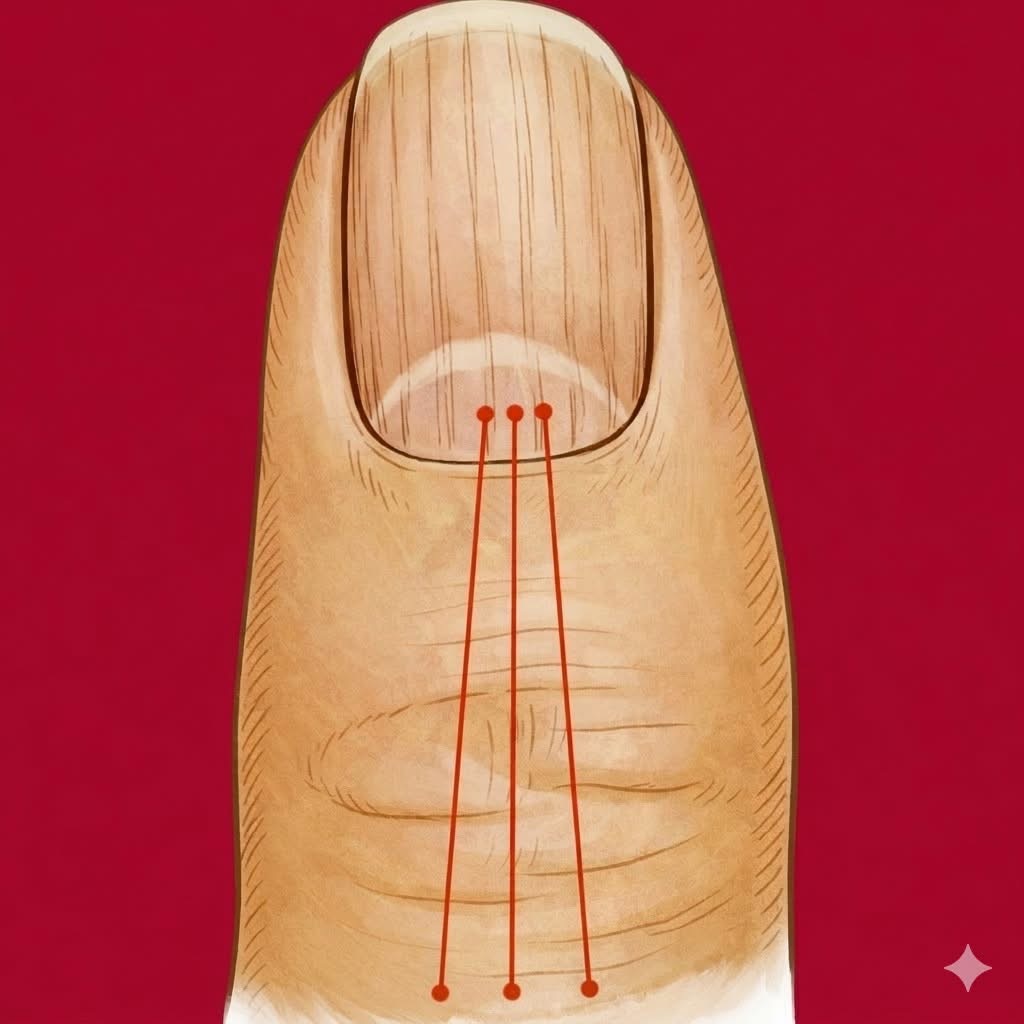
Many people notice fine lines running from the cuticle to the tip of the nail as they get older. These vertical markings, often called longitudinal ridges, can become more visible over time and are usually considered a normal part of the aging process. Just as skin and hair naturally change with the years, nails can also develop subtle texture differences. In most cases, these ridges are harmless and simply reflect the body’s natural progression through different stages of life.
A helpful first step in understanding these changes is knowing how nails grow. Fingernails are formed from keratin, a durable protein produced in the nail matrix located beneath the skin at the base of the nail. As the body ages, keratin production may become slightly less uniform, creating the appearance of raised lines along the nail surface. Dryness can make these ridges stand out even more, particularly when nails are frequently exposed to water, soaps, cleaning products, or other environmental factors that reduce natural moisture.
Supporting nail health often begins with everyday habits. Maintaining good hydration, eating a varied and balanced diet, and protecting hands from excessive exposure to harsh substances can help keep nails in good condition. Applying moisturizer to the nails and surrounding cuticles regularly may improve their appearance and help minimize the visibility of surface texture. Wearing protective gloves while cleaning or washing dishes can also help preserve moisture and reduce unnecessary stress on the nails.
For long-term nail care, consistency is key. Gentle filing, avoiding excessive scraping or buffing, and following a simple hand-care routine can encourage healthier-looking nails over time. While vertical ridges are commonly associated with normal aging, paying attention to significant changes in nail color, thickness, shape, or comfort can be a useful part of monitoring overall wellness. Small daily care habits can go a long way toward maintaining strong, healthy-looking nails throughout the years.