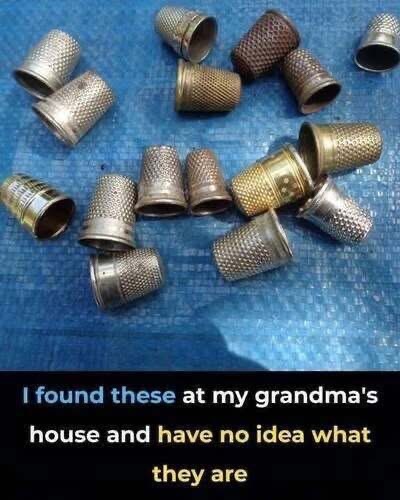
A thimble may be small, but it plays an important role in hand sewing. Worn on the finger—most commonly the middle finger or thumb—it acts as a protective barrier when pushing a needle through fabric. This added protection allows for greater pressure and control, making stitching safer and more efficient, especially when working with thicker materials or multiple layers.
Over time, thimbles have been crafted in a wide variety of styles and materials. While many are simple and practical, others include textured surfaces or decorative designs that improve grip and add visual appeal. Modern thimbles are typically made from metal, though plastic, silicone, and other materials are also available. The name itself is thought to originate from an earlier term meaning “thumb covering,” reflecting how early versions were often worn.
The history of the thimble stretches back centuries, with early examples discovered in ancient cultures where tools were made from bone, bronze, or other natural materials. As craftsmanship evolved, thimbles became more refined, and in some regions, they were even made from precious metals and passed down as personal items. Their continued use highlights their practicality and enduring relevance.
Different types of thimbles are designed to suit various sewing needs. Closed-top designs provide full protection for general use, while open-top versions allow for more flexibility. Softer materials offer comfort, and adjustable styles can accommodate different finger sizes. Regardless of the variation, the purpose remains the same: to make sewing more comfortable, controlled, and reliable.