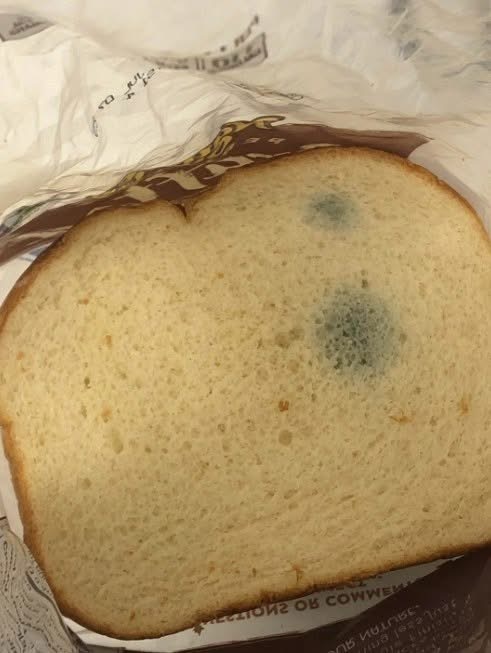
Noticing unusual green patches on bread can raise concern, especially when preparing food for your family. The first step is recognizing that these spots are a visible indicator of mold growth. Mold develops when bread is stored beyond its freshness or kept in warm, humid conditions. Because bread is soft and porous, it provides an ideal environment for spores to spread quickly once they settle.
Understanding how mold behaves is essential. While the surface may show only a few discolored spots, the structure beneath can already be affected. Simply removing the visible area does not guarantee that the rest of the loaf is unaffected. Mold can extend beyond what the eye can see, making partial removal an unreliable solution when it comes to food safety.
Another important consideration is health. Consuming moldy food may lead to discomfort such as stomach irritation or sensitivity reactions, particularly for children, older adults, or individuals with weakened immune systems. Food safety specialists generally recommend avoiding consumption altogether once mold is present, as this reduces unnecessary risk and ensures safer eating habits.
The most effective approach is prevention and proper handling. Storing bread in a cool, dry place, using it within a reasonable timeframe, or freezing portions you don’t plan to use immediately can help maintain freshness longer. If mold does appear, discarding the entire loaf is the safest choice. Prioritizing these simple practices supports both food quality and overall well-being in everyday life.