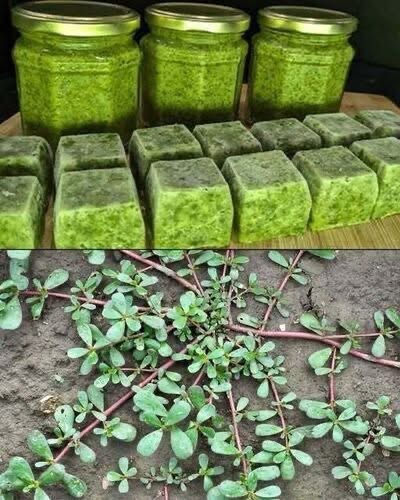
Often dismissed as a common weed, purslane is, in fact, a versatile leafy plant that can add both flavor and nutrients to everyday meals. The first step is simple: recognize it as a usable green rather than garden waste. Its tender leaves and mild, slightly tangy taste make it easy to include in familiar dishes without changing your routine.
From a nutrition standpoint, purslane contains a mix of vitamins and minerals along with plant-based omega-3 fatty acids. These components contribute to general well-being, supporting normal body functions such as immune balance, tissue maintenance, and overall vitality. While no single food replaces a balanced diet, adding a variety of greens—including purslane—can help diversify nutrient intake.
Incorporating it into meals is straightforward. Rinse the leaves thoroughly, then use them fresh in salads or add them to cooked dishes like omelets, soups, or stir-fries. Because of its soft texture, it blends well with other vegetables and does not require complex preparation. Starting with small portions allows you to become familiar with its taste and versatility.
As with any plant gathered or purchased, source matters. Choose clean, pesticide-free options from trusted markets or controlled gardens. By approaching it with simple preparation and mindful selection, you can turn an often-overlooked plant into a practical addition to your kitchen—one that supports variety and balance in everyday eating habits.