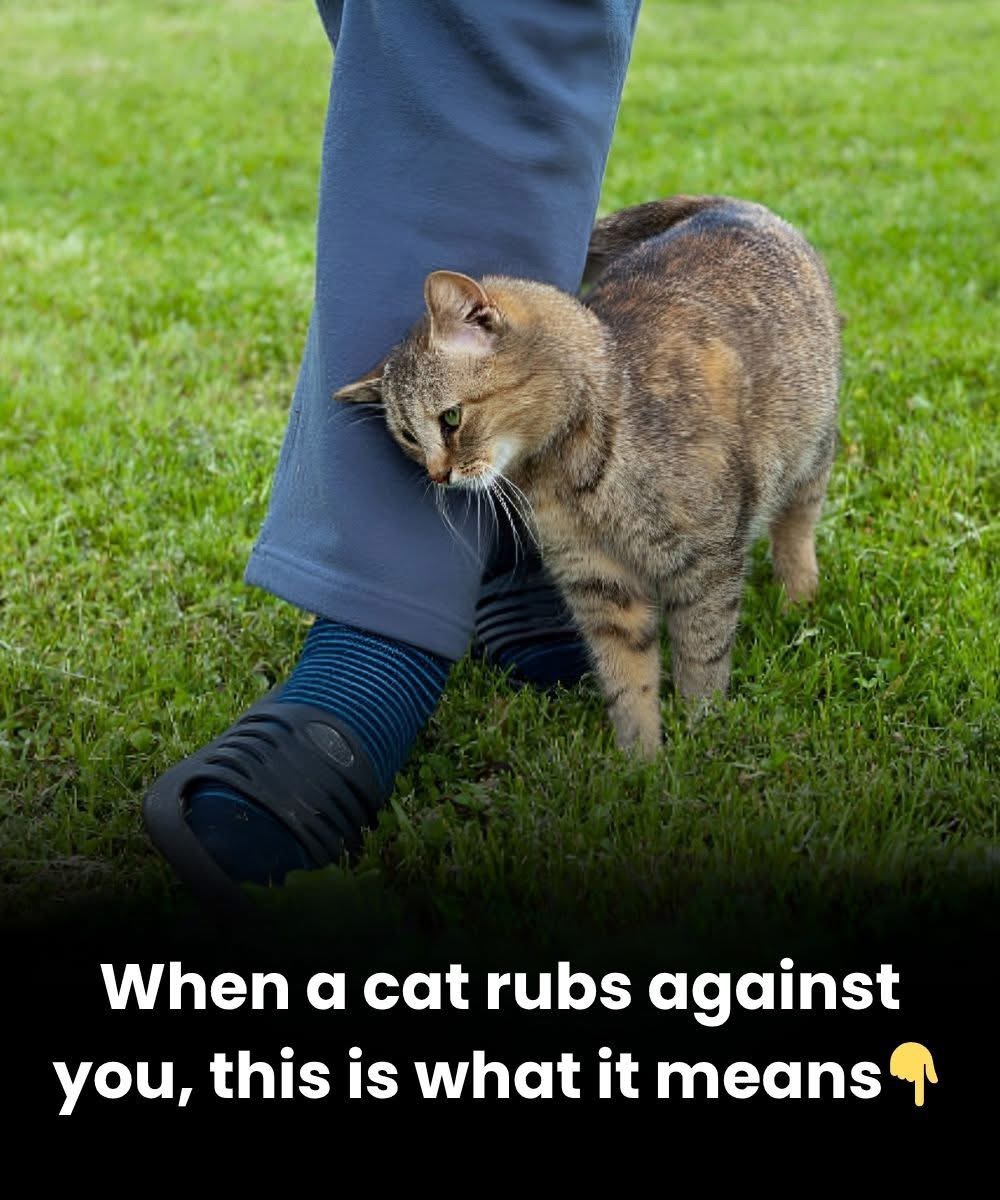
When a cat brushes against your legs or hand, it’s doing more than seeking attention—it’s communicating. The first step is to recognize this as a normal social behavior called “bunting.” Cats have scent glands on their cheeks, chin, and tail base, and by rubbing on you, a cat is leaving a familiar scent that signals comfort and belonging within its environment.
The best response is calm, gentle interaction. Offer slow strokes along the back, behind the ears, or under the chin—areas most cats enjoy. Avoid sensitive spots like the belly unless your cat clearly shows it’s welcome. Speaking in a soft, steady tone helps reinforce a sense of safety and trust.
Context also matters. A rub can mean a greeting, a request for food, or a moment of reassurance. Pay attention to body language: a relaxed tail, forward-facing ears, and soft purring usually indicate a positive mood. If the cat seems tense or pulls away, give it space and allow it to reinitiate contact.
Consistency builds a stronger bond. By responding with patience and attentiveness, you teach your cat that interaction with you is safe and rewarding. Over time, these small moments of communication create a stable, comfortable relationship where your pet feels secure and understood.