Recognizing unusual changes in your body can play an important role in protecting your health. While many symptoms have harmless causes, some may signal a medical condition that requires prompt evaluation. Paying attention to new, severe, or persistent symptoms allows healthcare professionals to diagnose problems earlier and begin appropriate treatment when necessary. Knowing when to seek medical advice is an important part of maintaining overall well-being.
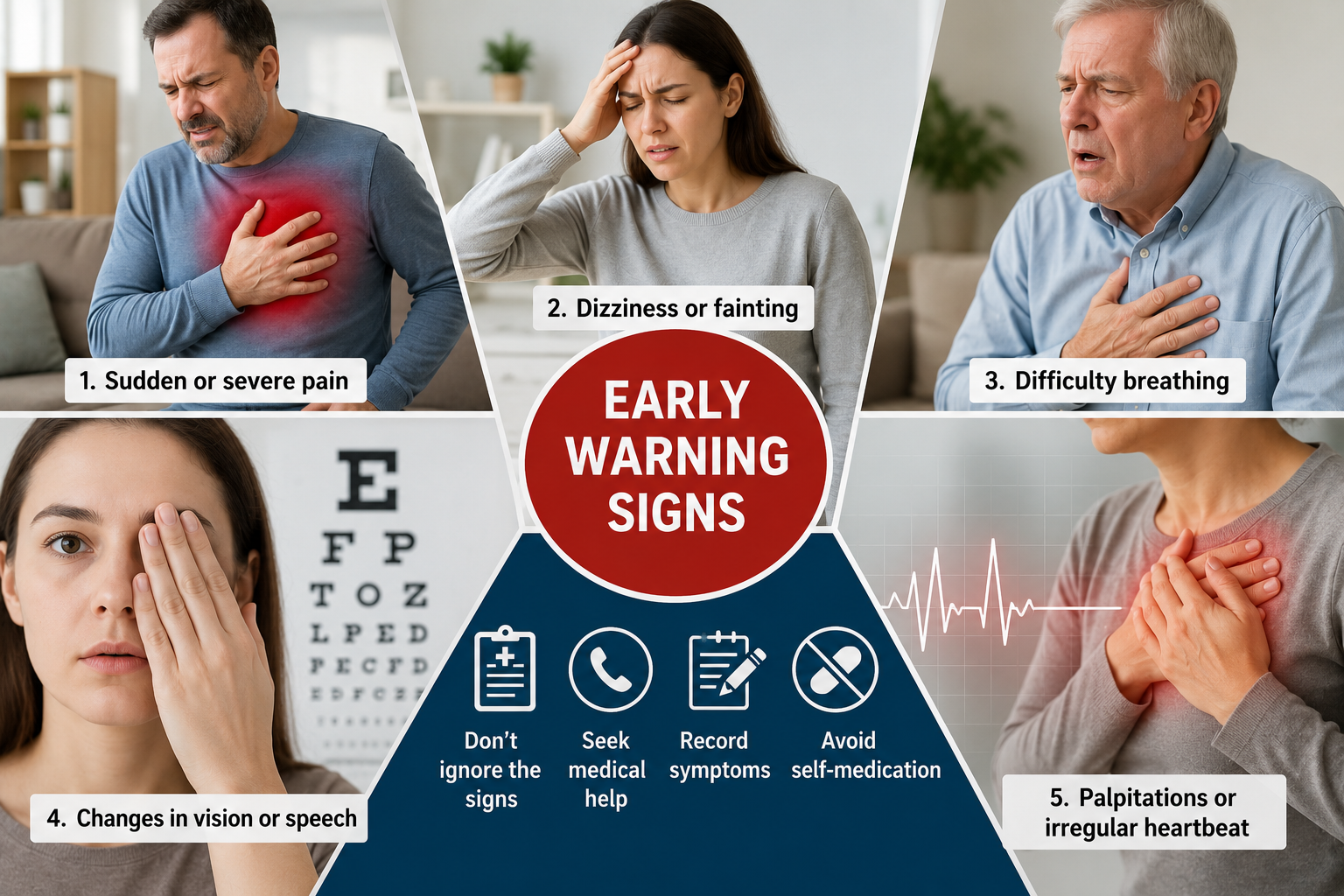
Several symptoms deserve immediate attention, especially if they appear suddenly or are severe. Intense chest pain, sudden difficulty breathing, loss of balance, fainting, confusion, or sudden changes in vision or speech may indicate a serious medical emergency and should be evaluated without delay. Likewise, a racing, irregular, or unusually slow heartbeat—particularly when accompanied by dizziness, chest discomfort, or shortness of breath—should be assessed by a healthcare professional. Although these symptoms can have different causes, they should never be ignored.
Certain factors may increase the likelihood of developing heart, neurological, or respiratory conditions. These include a family history of cardiovascular disease, high blood pressure, diabetes, chronic lung disease, smoking, physical inactivity, poor nutrition, and advancing age. Regular medical checkups, a balanced diet, physical activity, quality sleep, and avoiding tobacco can all contribute to better long-term health. Understanding your personal risk factors can also help you make informed decisions about preventive care.
If you experience concerning symptoms, remain calm and seek appropriate medical assistance as soon as possible. Avoid self-diagnosing or taking medications without professional guidance, as this may delay proper treatment or make certain conditions more difficult to evaluate. If symptoms are severe, sudden, or rapidly worsening—such as intense chest pain, difficulty breathing, or signs of a possible stroke—contact your local emergency medical services immediately. Listening to your body and responding promptly to warning signs can make a significant difference in protecting your health and reducing the risk of serious complications.