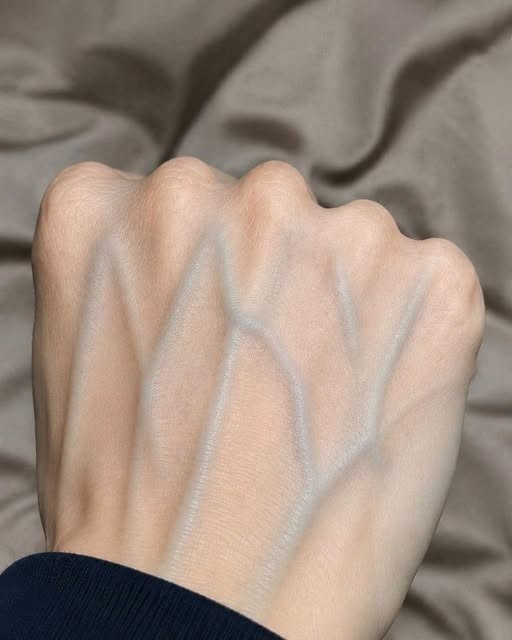
Noticing veins that are more visible on your hands is something many people experience, and in most cases, it is a completely normal part of the body’s natural appearance. Vein visibility can change over time due to everyday factors such as aging, genetics, body composition, or physical activity. As the skin gradually becomes thinner with age and the layer of fat beneath it decreases, veins may naturally become easier to see without indicating an underlying health problem. Exercise, warm weather, and a lean body type can also temporarily make veins appear more noticeable.
While prominent hand veins are often harmless, it’s worth paying attention if their appearance changes suddenly or is accompanied by other symptoms. Pain, swelling, redness, warmth, or tenderness around a vein should not be ignored, as these signs may suggest that something more than a normal physical change is occurring. Although many conditions that affect the veins are treatable, a proper evaluation by a healthcare professional is the best way to determine the cause and recommend appropriate care when symptoms develop.
Some circulation-related conditions can affect the way veins function. For example, chronic venous insufficiency occurs when vein valves become less effective at helping blood return to the heart, allowing blood to collect in the veins. This condition most often affects the legs and may contribute to discomfort, swelling, heaviness, or the development of varicose veins. Another condition that requires prompt medical attention is deep vein thrombosis, in which a blood clot forms in a deep vein. Symptoms such as sudden swelling, pain, warmth, or skin color changes—particularly in the leg—should be evaluated without delay because timely treatment is important.
In most situations, visible veins alone are not a reason for concern. Healthcare professionals consider your overall symptoms, medical history, and physical examination rather than vein appearance by itself. If your veins have become noticeably different, are causing discomfort, or are accompanied by symptoms such as persistent swelling, unexplained fatigue, or shortness of breath, arranging a medical evaluation is the safest step. Early assessment can help distinguish normal age-related changes from conditions that may benefit from further investigation or treatment, providing reassurance and appropriate care when needed.