The colors we naturally gravitate toward often become part of our daily lives, appearing in everything from clothing and home décor to accessories and artwork. While there is no scientific rule that a favorite color can define someone’s personality, psychologists and designers have long explored how color preferences may relate to emotions, moods, and personal experiences. Rather than offering fixed answers, color psychology provides an enjoyable way to reflect on what certain shades may represent during different stages of life. As our experiences change, so too can the colors that make us feel most comfortable and inspired.
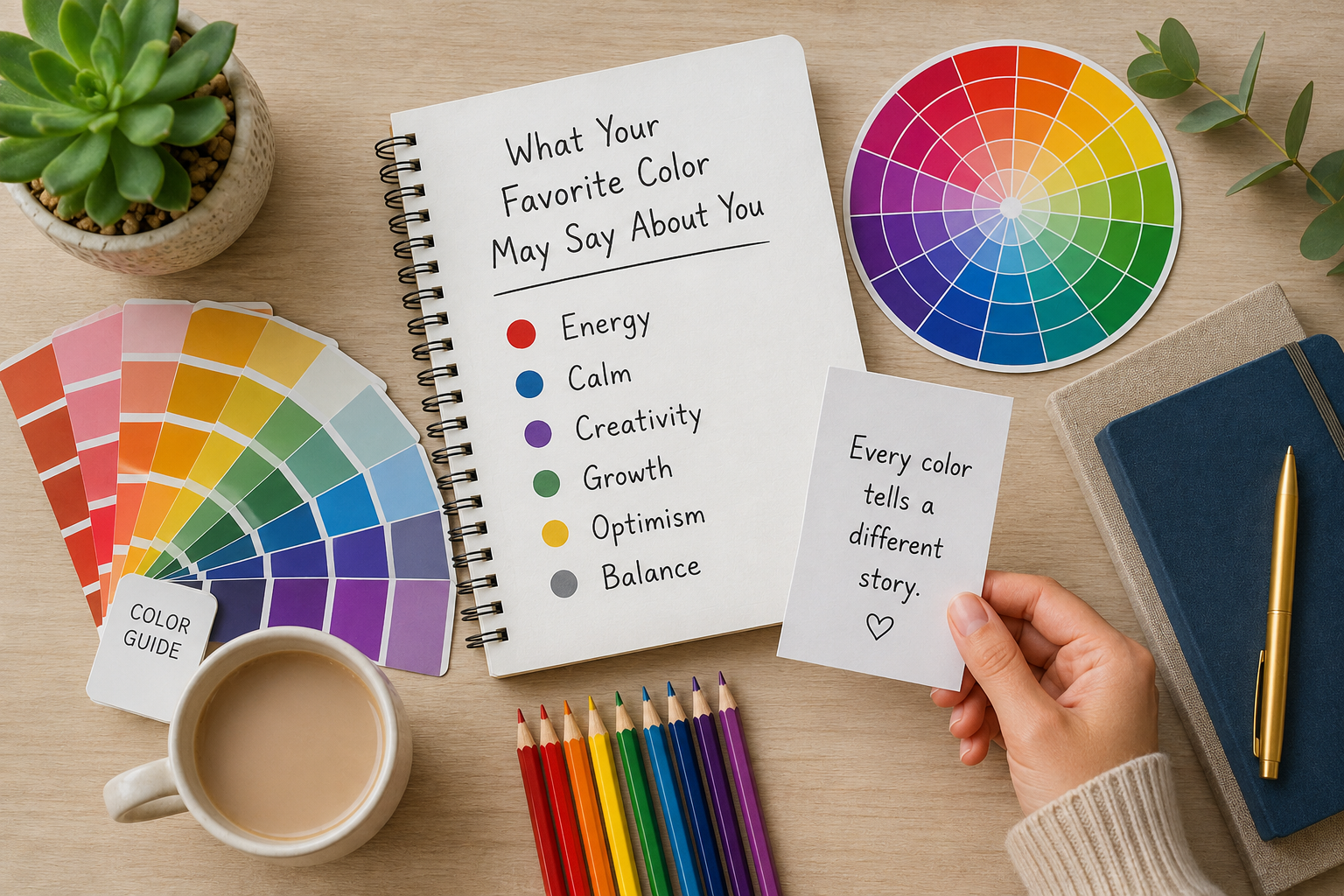
Many commonly recognized color associations are based on emotional symbolism rather than certainty. Red is often linked with confidence, enthusiasm, determination, and high energy, while blue is frequently associated with calmness, trust, and emotional balance. Purple is commonly connected with creativity, imagination, and personal growth, whereas green often represents harmony, renewal, and a connection with nature. Yellow is widely viewed as a cheerful color that symbolizes optimism and positivity, while neutral shades such as beige, gray, or white may appeal to those seeking simplicity, balance, or a sense of peace.
Color preferences can naturally evolve over time as priorities, environments, and life experiences change. During exciting periods, some people may be drawn to brighter, more vibrant colors, while quieter moments may inspire a preference for softer or more understated tones. Cultural traditions, personal memories, seasonal changes, and individual taste all influence these choices, making every person’s relationship with color unique. This is why two people who share the same favorite color may connect with it for entirely different reasons.
If you’d like to use color psychology as a form of self-reflection, simply pay attention to the shades that consistently make you feel comfortable, motivated, or relaxed. Consider how your preferences may have changed over the years and whether they reflect different chapters of your life. Although colors cannot define personality or predict behavior, they can encourage thoughtful reflection and inspire greater awareness of your emotions, preferences, and personal style. In the end, the most meaningful interpretation is the one that resonates with your own experiences and perspective.