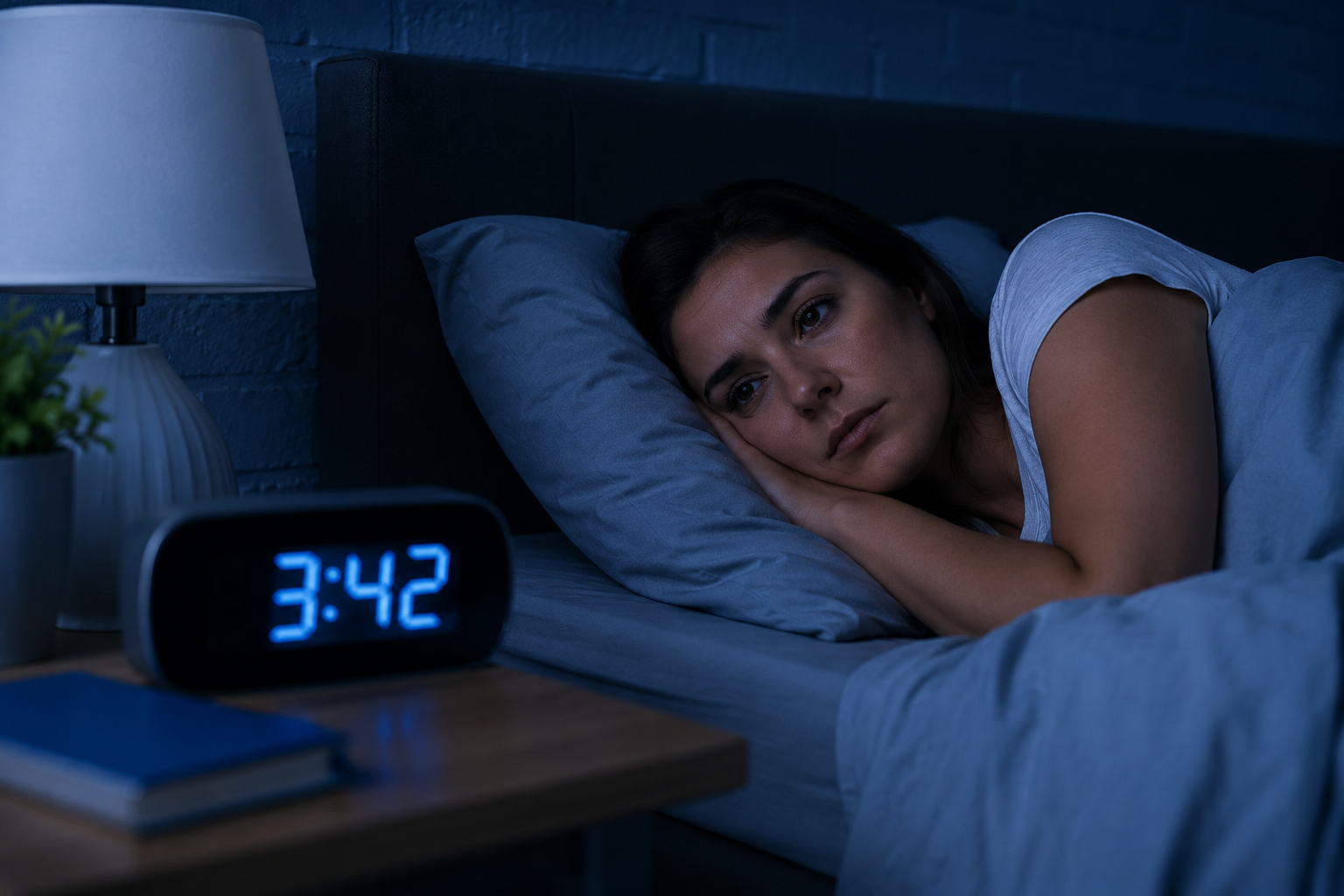
Waking up during the early morning hours is a common experience for many adults and is not always a sign that something is wrong. If you regularly find yourself awake between 3 a.m. and 4 a.m., your body’s natural sleep cycle may be playing a role. Throughout the night, sleep alternates between deep and lighter stages, and during lighter phases it becomes easier for small interruptions to bring you fully awake. Understanding this pattern can help reduce unnecessary concern and encourage healthier sleep habits.
One of the first steps toward improving sleep is identifying potential nighttime disturbances. Even subtle changes, such as room temperature, outside noise, an uncomfortable mattress, or light entering the bedroom, can interrupt sleep during lighter stages. Emotional stress may also contribute. Everyday responsibilities involving work, finances, family, or personal commitments can make it more difficult for the mind to remain fully relaxed throughout the night, increasing the likelihood of early morning awakenings.
Although occasional sleep interruptions are perfectly normal, frequent or long-lasting awakenings may sometimes be associated with underlying health conditions. Sleep apnea, acid reflux, chronic pain, anxiety, depression, and fluctuations in blood sugar are among the factors that can affect sleep quality. If disrupted sleep becomes persistent, leads to excessive daytime fatigue, or is accompanied by other concerning symptoms, consulting a qualified healthcare professional can help identify the cause and determine the most appropriate treatment.
Fortunately, many people can improve their sleep by making simple lifestyle adjustments. Going to bed and waking up at the same time each day, limiting caffeine and alcohol in the evening, reducing screen exposure before bedtime, and maintaining a cool, quiet, and comfortable bedroom can all support healthier sleep. Regular physical activity and a relaxing nighttime routine may also strengthen the body’s natural sleep-wake cycle. With consistent habits and proper medical guidance when needed, restful and refreshing sleep is an achievable goal for many individuals.