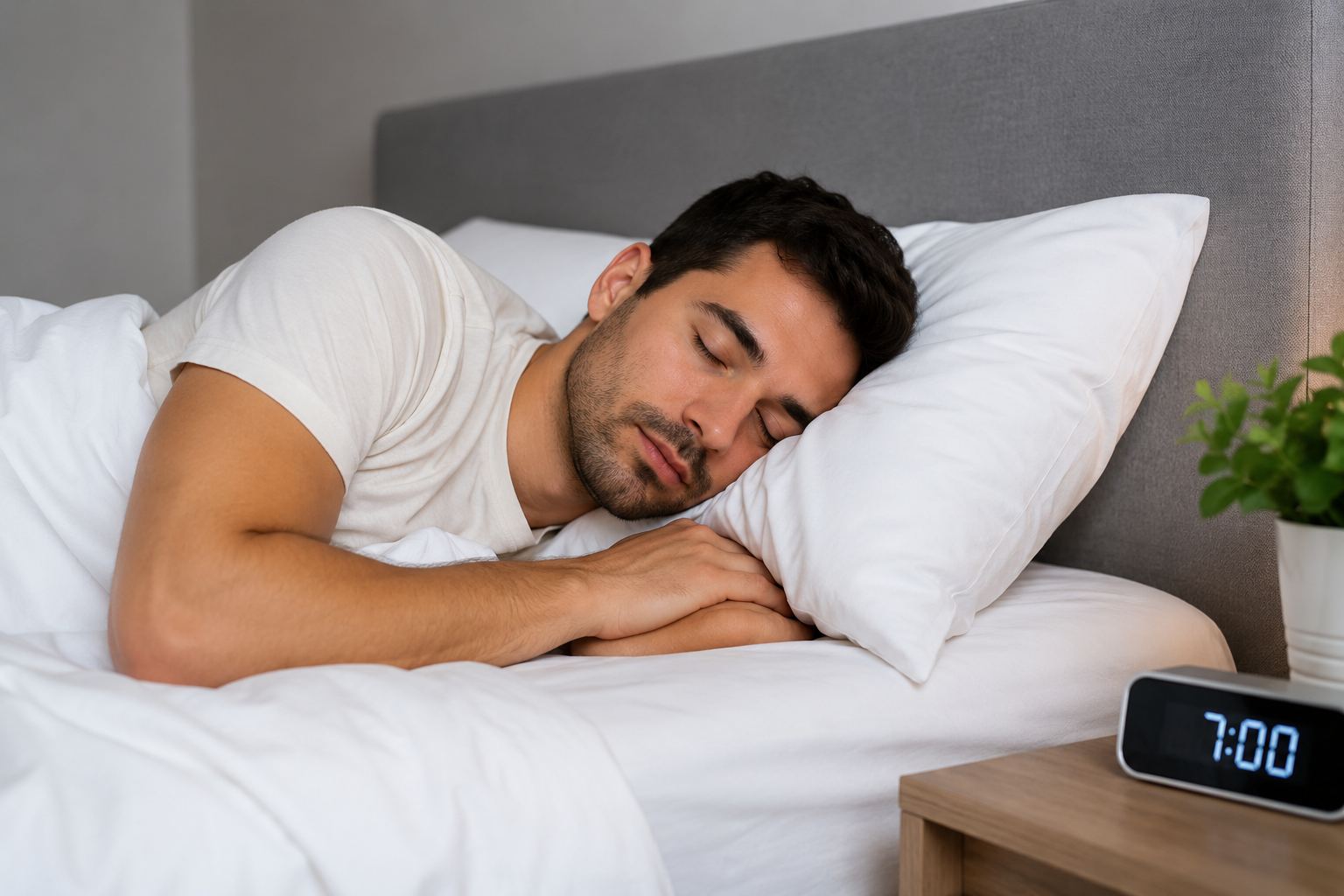
Finding a small damp spot on your pillow after a night’s sleep is something many people experience from time to time. Although it may seem a little embarrassing, occasional drooling during sleep is usually a normal part of the body’s natural processes. While we’re asleep, muscles relax and swallowing occurs less frequently, allowing saliva to collect in the mouth. If you sleep on your side or stomach, gravity can make it easier for saliva to escape. In most cases, this is simply a harmless result of sleeping position rather than a sign of a medical problem. However, when drooling becomes frequent, excessive, or begins suddenly, it may be worth taking a closer look at other changes in your sleep or overall health.
Several everyday factors can contribute to nighttime drooling. Nasal congestion caused by allergies, colds, or sinus irritation often encourages mouth breathing during sleep, increasing the chance of saliva escaping onto the pillow. Certain medications, temporary hormonal changes, dehydration, stress, and irregular sleep schedules may also influence saliva production or swallowing patterns. New bedtimes, travel, fatigue, and changes in sleeping habits can all play a role as well. For many people, addressing these simple factors—such as improving nasal airflow, staying hydrated, or establishing a consistent bedtime routine—may help reduce occasional drooling without the need for additional treatment.
Sometimes, however, nighttime drooling appears alongside other symptoms that deserve attention. Loud snoring, persistent daytime tiredness, morning headaches, restless sleep, difficulty concentrating, or frequent nighttime awakenings may indicate that sleep quality is being affected. In these situations, drooling itself is not necessarily the problem but may be one of several clues that help healthcare professionals evaluate what is happening during sleep. Dental issues, changes in oral health, and certain medications can also influence saliva control overnight. Keeping track of when drooling occurs and whether it is accompanied by other symptoms can provide useful information during a conversation with a healthcare provider or dentist if concerns arise.
The most important message is to focus on the overall picture rather than a single symptom. An occasional wet pillow is usually nothing more than a normal consequence of relaxed muscles and sleeping position. However, if drooling becomes persistent, increases noticeably, or occurs together with symptoms such as loud snoring, breathing difficulties during sleep, swallowing problems, or ongoing fatigue, seeking professional medical advice is a sensible next step. Good sleep is essential for physical and mental well-being, and paying attention to changes in nighttime habits can help support better long-term health. By understanding the common causes of nighttime drooling and recognizing when it may deserve further evaluation, you can make informed decisions while enjoying greater confidence and peace of mind about your sleep.