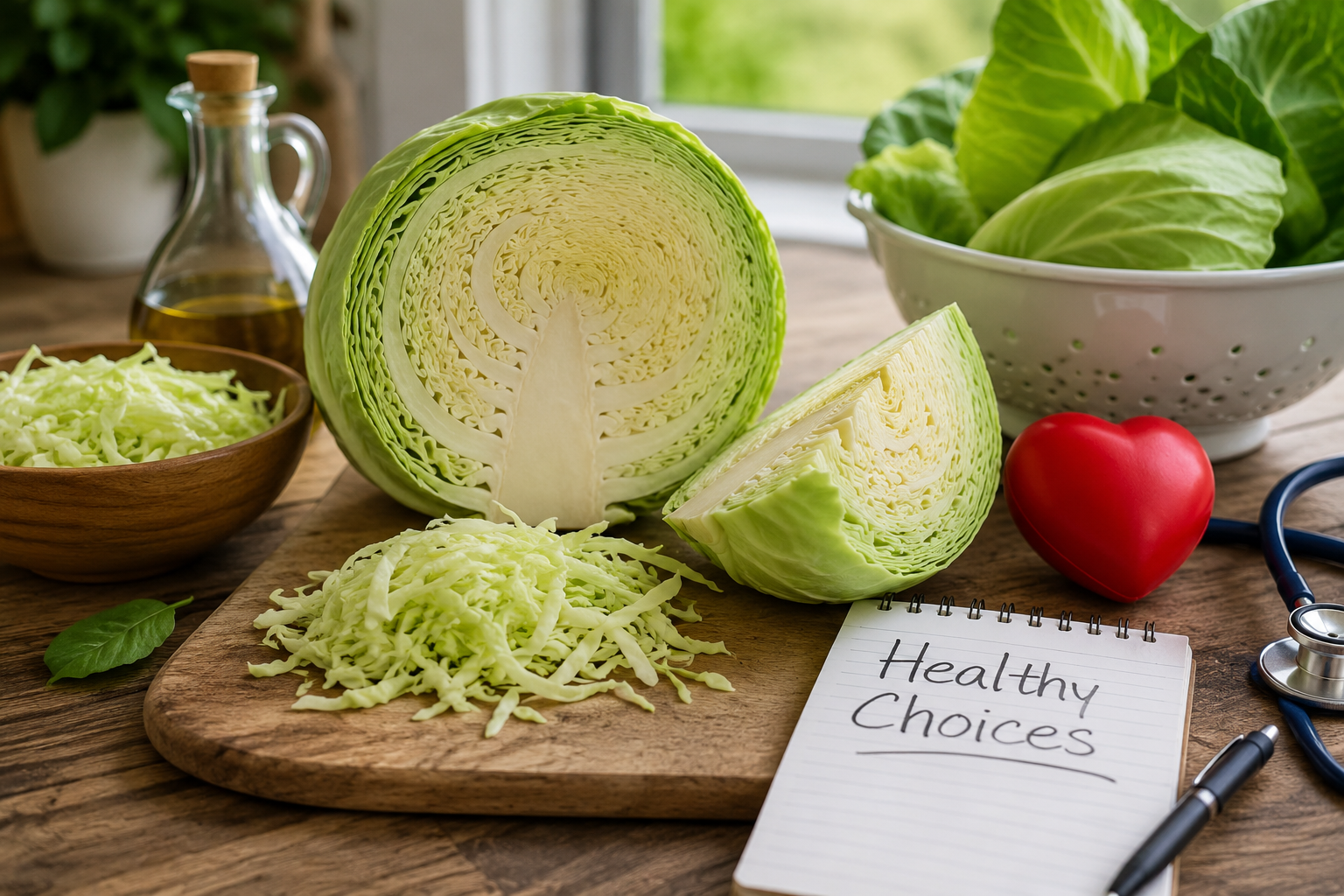
Cabbage is one of the most affordable and nutrient-rich vegetables found in kitchens around the world. Whether enjoyed fresh in salads, added to soups, roasted, steamed, or fermented into dishes like sauerkraut, it provides valuable fiber, vitamins, antioxidants, and plant compounds that support overall health. For most people, cabbage can be part of a balanced diet that promotes digestive health, immune function, and heart wellness. However, like many healthy foods, it may not be the ideal choice for everyone under every circumstance.
Certain medical conditions may require a more personalized approach to cabbage consumption. People with thyroid disorders, particularly those related to iodine deficiency, are sometimes advised to moderate their intake of large amounts of raw cruciferous vegetables, including cabbage. Cooking significantly reduces many naturally occurring compounds associated with this concern, making cooked cabbage a suitable option for many individuals. Those with sensitive digestive systems, including some people with irritable bowel syndrome (IBS), may also find that large servings of raw cabbage contribute to bloating, gas, or abdominal discomfort because of its fiber and naturally occurring carbohydrates.
Fermented cabbage products such as sauerkraut and kimchi offer beneficial probiotics for many people but may not be well tolerated by individuals with histamine sensitivity. In addition, although uncommon, cabbage allergies can occur and may cause symptoms such as itching, swelling, skin irritation, or digestive discomfort after eating the vegetable. People taking blood-thinning medications like warfarin should also maintain a consistent intake of vitamin K-rich foods, including cabbage, rather than making sudden changes to their diet. Individuals with kidney disease or a history of certain kidney stones may benefit from personalized dietary guidance provided by their healthcare professional.
The key message is that cabbage remains a highly nutritious food for the vast majority of people. Rather than avoiding it altogether, most individuals can continue enjoying cabbage as part of a varied, balanced eating pattern. Preparing it thoroughly, introducing it gradually if you have a sensitive stomach, and paying attention to your body’s response can improve tolerance. If you have an existing medical condition, take prescription medications, or experience persistent symptoms after eating certain foods, consulting a qualified healthcare professional is the best way to determine the dietary choices that are most appropriate for your individual needs.