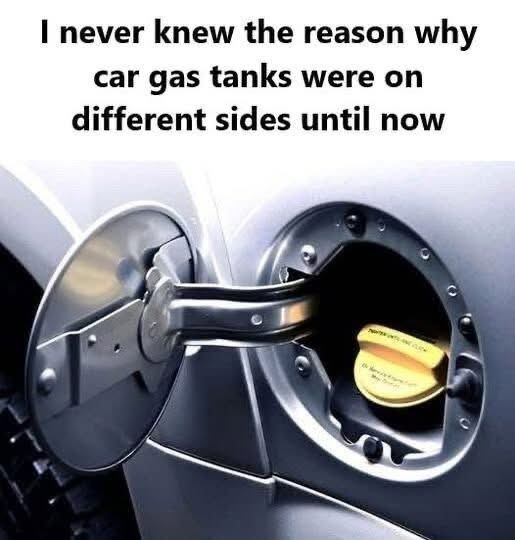
Most drivers have experienced the moment of pulling up to a gas station only to realize the fuel door is on the opposite side of the vehicle. While it may seem like an inconvenience, the placement of fuel doors is the result of thoughtful engineering rather than random design. Automakers must balance numerous factors when developing a vehicle, including safety, space efficiency, manufacturing requirements, and overall functionality. As a result, there is no universal standard that requires fuel doors to be placed on one specific side.
One important consideration is vehicle design and component placement. Modern automobiles contain thousands of interconnected parts that must fit together efficiently within a limited amount of space. Engineers carefully position fuel tanks, exhaust systems, suspension components, and other critical elements to maximize performance and reliability. The location of the fuel door is often influenced by how these systems are arranged beneath the vehicle, helping manufacturers create practical and efficient designs without compromising functionality.
Another factor involves the global nature of the automotive industry. Vehicles are sold in countries with different driving configurations, including both left-hand-drive and right-hand-drive markets. Manufacturers often adapt designs to meet regional requirements while maintaining production efficiency. Because every vehicle platform is unique, fuel door placement can vary between brands, models, and even different versions of the same vehicle. This flexibility allows engineers to optimize each design according to its specific needs.
Fortunately, drivers have an easy way to determine which side their fuel door is on. Most vehicles display a small fuel pump icon on the dashboard, often accompanied by an arrow indicating the correct side. This simple feature helps eliminate guesswork and makes refueling more convenient. While fuel door placement may seem like a minor detail, it serves as an interesting example of how practical engineering decisions influence the everyday driving experience.