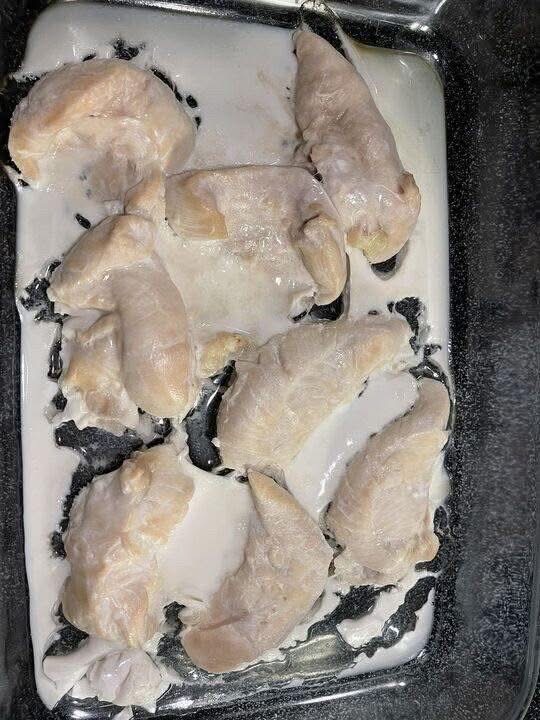
Preparing chicken at home can sometimes lead to an unexpected surprise. After removing a beautifully cooked chicken breast from the oven or skillet, you may notice a white, jelly-like substance on the surface. While its appearance can be puzzling, there is usually no cause for concern. This common occurrence is simply a natural result of the cooking process and happens in kitchens around the world, including those of experienced home cooks and professional chefs.
Understanding why it happens starts with knowing a little about the composition of chicken meat. Chicken contains a high amount of protein along with natural moisture. As heat increases during cooking, the proteins change structure and begin to solidify. At the same time, moisture is pushed out of the meat. When these proteins combine with the released liquid, they can form a white, slightly thick substance that appears on the surface. This reaction is particularly noticeable in lean cuts such as boneless, skinless chicken breasts.
Several cooking factors can make this effect more visible. High cooking temperatures often cause proteins to tighten quickly, forcing more moisture out of the meat. Cooking chicken directly from a partially frozen state may also increase the amount of liquid released because freezing can affect the structure of muscle fibers. To help reduce the appearance of the white substance, try cooking at a moderate temperature, allowing the chicken to thaw completely before preparation, and giving it a few minutes to rest after cooking. Resting helps the juices redistribute more evenly throughout the meat.
The good news is that the white substance is generally harmless and does not indicate that the chicken is spoiled or unsafe. It is simply a mixture of cooked protein and moisture that naturally emerges during heating. While it may not be visually appealing, it does not usually affect flavor or quality. By understanding why it occurs and using gentle cooking techniques, you can enjoy tender, flavorful chicken with greater confidence and less kitchen frustration.