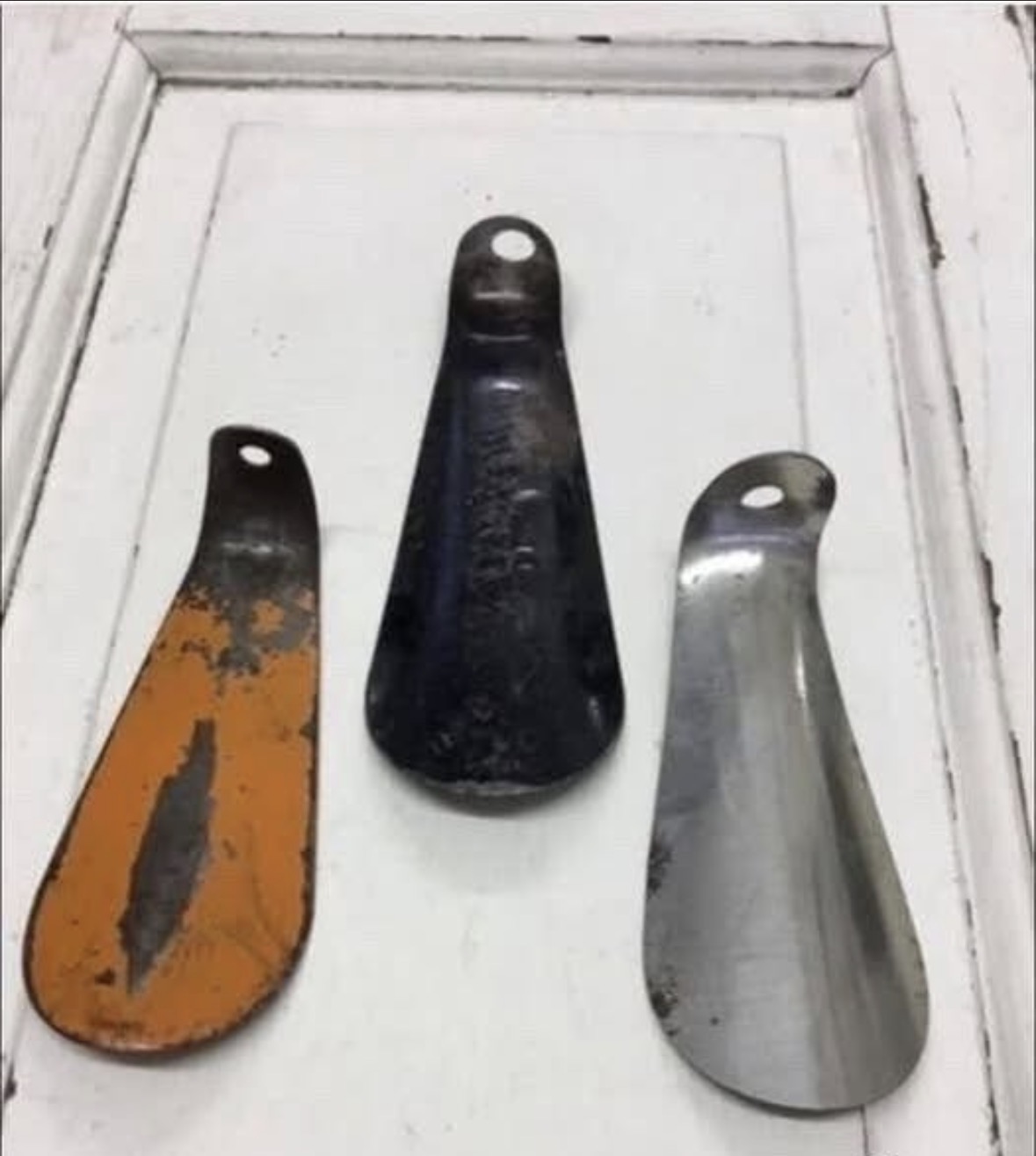
From time to time, unusual objects from earlier generations capture attention online, leaving many people wondering what purpose they once served. Items that were once common household essentials can appear surprisingly unfamiliar today, especially as modern lifestyles and products evolve. One such object is the shoe horn—a simple yet highly practical tool that has quietly remained useful for hundreds of years.
The primary function of a shoe horn is to help guide the foot into a shoe while protecting the heel area from unnecessary strain. By creating a smooth surface between the foot and the back of the shoe, it reduces friction and helps preserve the footwear’s shape. This simple design can make putting on shoes easier, particularly when dealing with snug-fitting styles or new footwear that has not yet softened with use.
Historical versions of shoe horns were crafted from materials that were readily available and durable, including wood, bone, and natural horn. As manufacturing techniques advanced, metal versions became increasingly popular due to their strength and longevity. Over the years, many shoe horns were designed with decorative details, transforming a practical household item into an example of skilled craftsmanship and attention to detail.
Today, shoe horns continue to serve the same purpose while adapting to modern needs. Compact versions are convenient for travel, while long-handled designs provide added comfort for individuals who prefer not to bend down when putting on shoes. Their continued popularity demonstrates how thoughtful, functional design can remain relevant across generations. Though modest in appearance, the shoe horn stands as a lasting reminder that some of the most effective tools are also among the simplest.